China remains one of the world’s largest manufacturing hubs, offering competitive pricing, extensive production capabilities, and access to nearly every product category imaginable. However, finding a reliable supplier can be challenging, especially for businesses sourcing from China for the first time.
In this guide, we’ll explore practical strategies to help you identify trustworthy suppliers, minimise risks, and build long-term sourcing partnerships.
Why Choosing the Right Supplier Matters
A reliable supplier does more than provide products at a good price. They directly impact:
-
Product quality
-
Delivery timelines
-
Inventory stability
-
Customer satisfaction
-
Overall business profitability
Selecting the wrong supplier can lead to delayed shipments, inconsistent quality, communication issues, and unexpected costs.
Start with Reputable B2B Platforms
Online sourcing platforms are often the first step when searching for Chinese suppliers.
Popular options include:
-
Alibaba
-
Made-in-China
-
Global Sources
When reviewing suppliers, pay attention to:
-
Years in business
-
Verified company status
-
Factory audit reports
-
Customer reviews and ratings
-
Export experience
While platform verification helps, it should never be the only factor in your decision-making process.
Verify the Supplier’s Business Credentials
Before placing any order, conduct basic due diligence.
Request:
-
Business license
-
Company registration information
-
Export certifications
-
Product compliance documents (CE, FCC, RoHS, etc. when applicable)
You can also verify company details through Chinese business registration databases or professional sourcing partners.
A legitimate supplier will generally be transparent and willing to provide documentation.
Evaluate Communication Quality
Communication is often an early indicator of supplier reliability.
Look for suppliers that:
-
Respond promptly
-
Answer questions clearly
-
Understand product specifications
-
Provide detailed quotations
-
Communicate professionally in English
If communication is difficult during the quotation stage, problems are likely to increase once production begins.
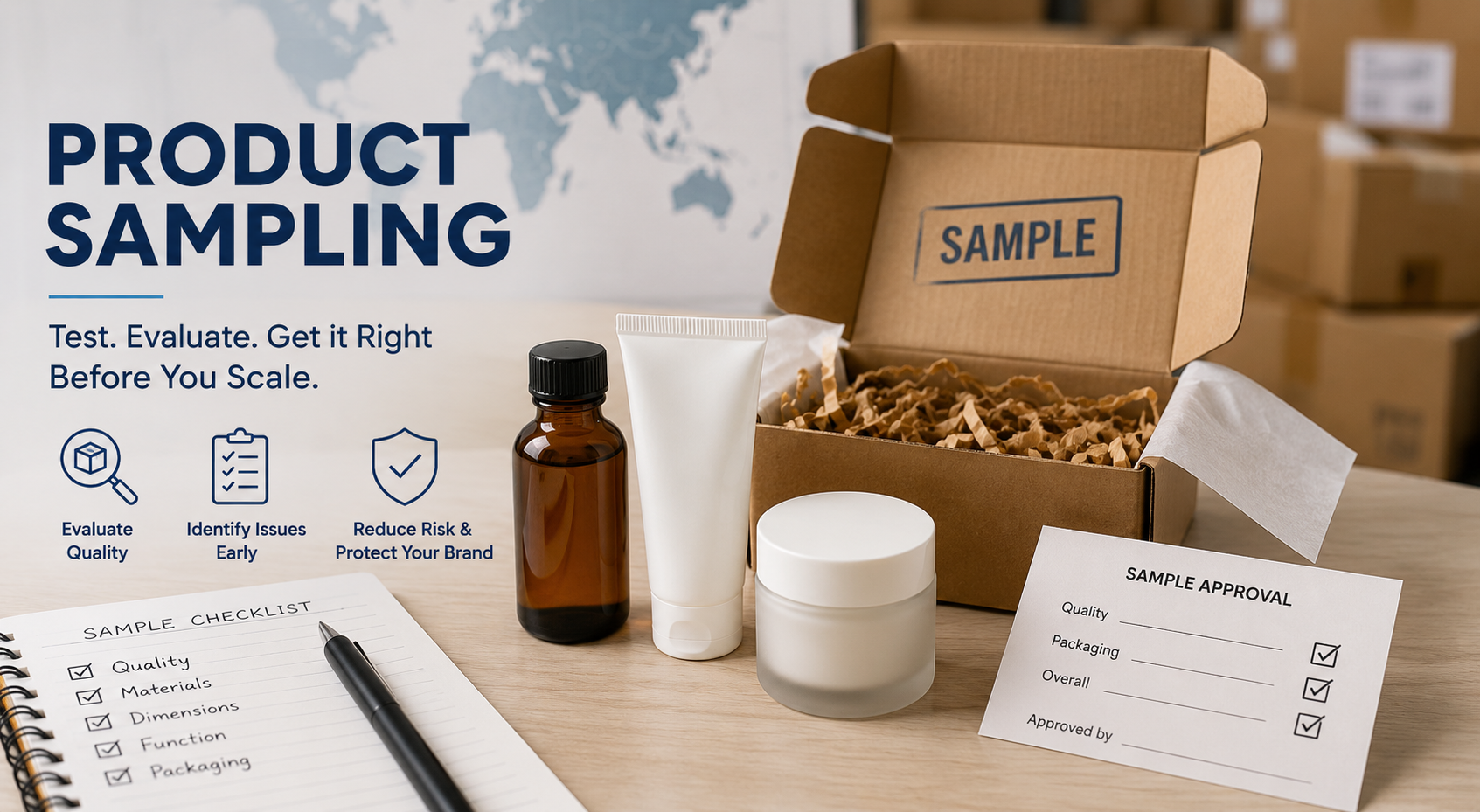
Request Samples Before Bulk Orders
Never skip the sampling stage.
Product samples allow you to evaluate:
-
Material quality
-
Workmanship
-
Packaging standards
-
Product functionality
-
Consistency with specifications
Although sample fees may seem like an extra cost, they are significantly cheaper than discovering quality issues after a large order has been produced.
Conduct a Factory Audit
For larger orders, a factory audit can provide valuable insights.
A factory inspection helps verify:
-
Manufacturing capabilities
-
Production capacity
-
Quality control systems
-
Workforce size
-
Equipment and facilities
Many importers hire third-party inspection companies to perform factory audits before committing to long-term partnerships.
Compare Multiple Suppliers
Avoid selecting the first supplier you find.
Instead, compare at least three to five suppliers based on:
| Evaluation Factor | What to Assess |
| Pricing | Competitiveness and transparency |
| Quality | Sample performance and certifications |
| Communication | Responsiveness and professionalism |
| Lead Time | Production and shipping schedules |
| Experience | Export history and industry expertise |
The cheapest option is rarely the best long-term choice.
Build Long-Term Relationships
Successful sourcing in China often depends on relationship building.
Once you’ve identified a reliable supplier:
-
Maintain regular communication
-
Provide clear forecasts
-
Pay on time
-
Share feedback constructively
-
Visit factories when possible
Strong supplier relationships often lead to better pricing, priority production schedules, and improved product quality over time.
Common Red Flags to Watch For
Be cautious if a supplier:
-
Offers prices significantly below the market average
-
Refuses to provide company documentation
-
Pushes for full payment upfront
-
Avoids video calls or factory visits
-
Provides inconsistent company information
These warning signs may indicate potential sourcing risks.
Final Thoughts
Finding reliable suppliers in China requires more than simply comparing prices. Successful importers focus on verification, communication, quality control, and long-term partnership potential.
By conducting proper due diligence, requesting samples, and evaluating suppliers systematically, businesses can significantly reduce sourcing risks and establish dependable supply chains that support sustainable growth.
The right supplier is not necessarily the cheapest one—it’s the partner that consistently delivers quality products, reliable service, and long-term value.