Importing products from China offers significant advantages, from competitive pricing to access to one of the world’s most comprehensive manufacturing ecosystems. However, successful sourcing isn’t just about finding the right supplier; it’s about identifying and managing risks throughout the procurement process.
Whether you’re sourcing for the first time or looking to improve your existing supply chain, understanding the common risks and how to mitigate them can save your business time, money, and unnecessary disruption.
Verify Your Supplier Before Placing an Order
One of the biggest mistakes importers make is relying solely on online supplier profiles.
Before committing to a supplier, it’s important to verify:
-
Business registration and legal status
-
Manufacturing capability
-
Export experience
-
Factory certifications
-
Previous customer references
A supplier may appear reliable online but still lack the production capacity or quality management systems needed for your project.
Define Product Specifications Clearly
Many quality issues are caused by unclear requirements rather than poor manufacturing.
Provide suppliers with detailed documentation, including:
-
Technical drawings
-
Material specifications
-
Dimensions and tolerances
-
Colour references
-
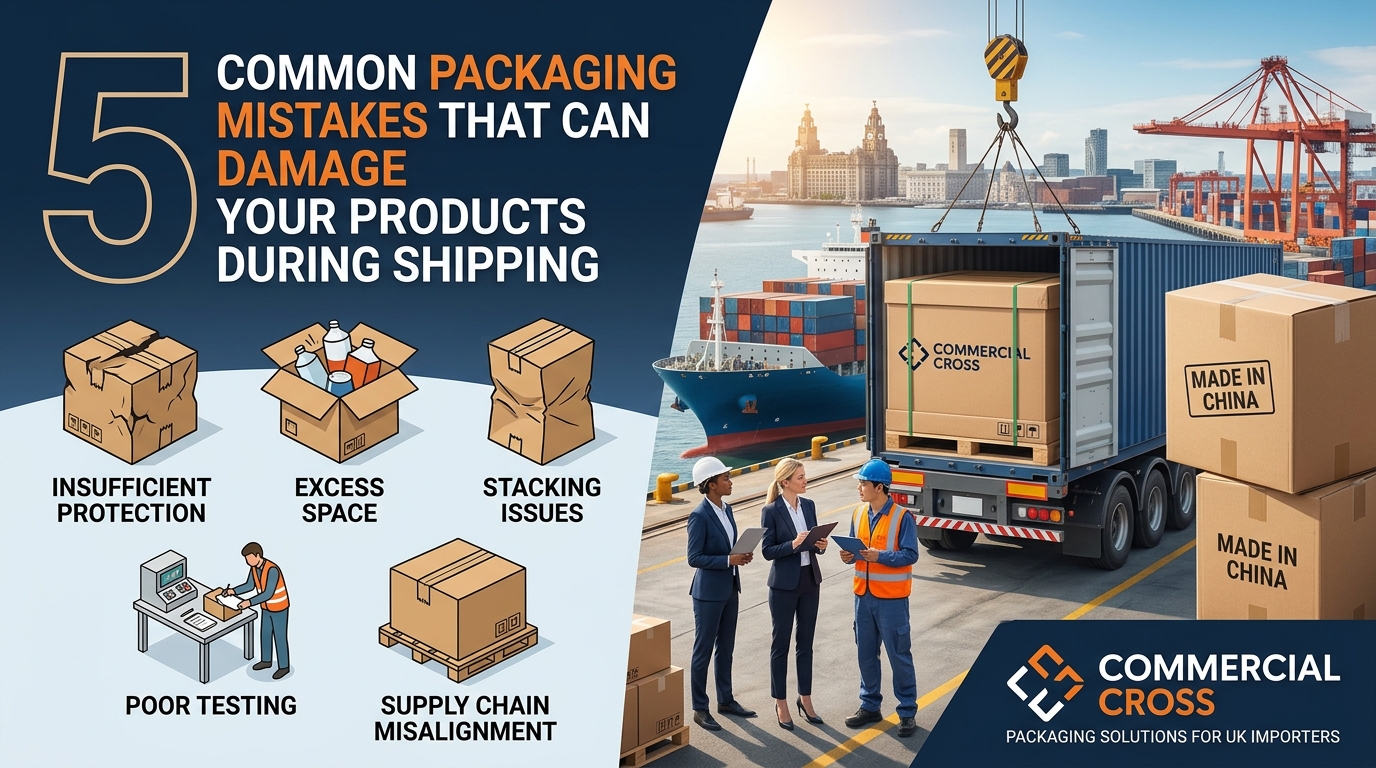
Packaging requirements
-
Product testing requirements
The more precise your specifications, the lower the risk of misunderstandings during production.
Don’t Choose a Supplier Based on Price Alone
A significantly lower quotation can be appealing, but it often comes with hidden costs.
When evaluating suppliers, consider:
-
Product quality
-
Lead time reliability
-
Communication efficiency
-
Quality control procedures
-
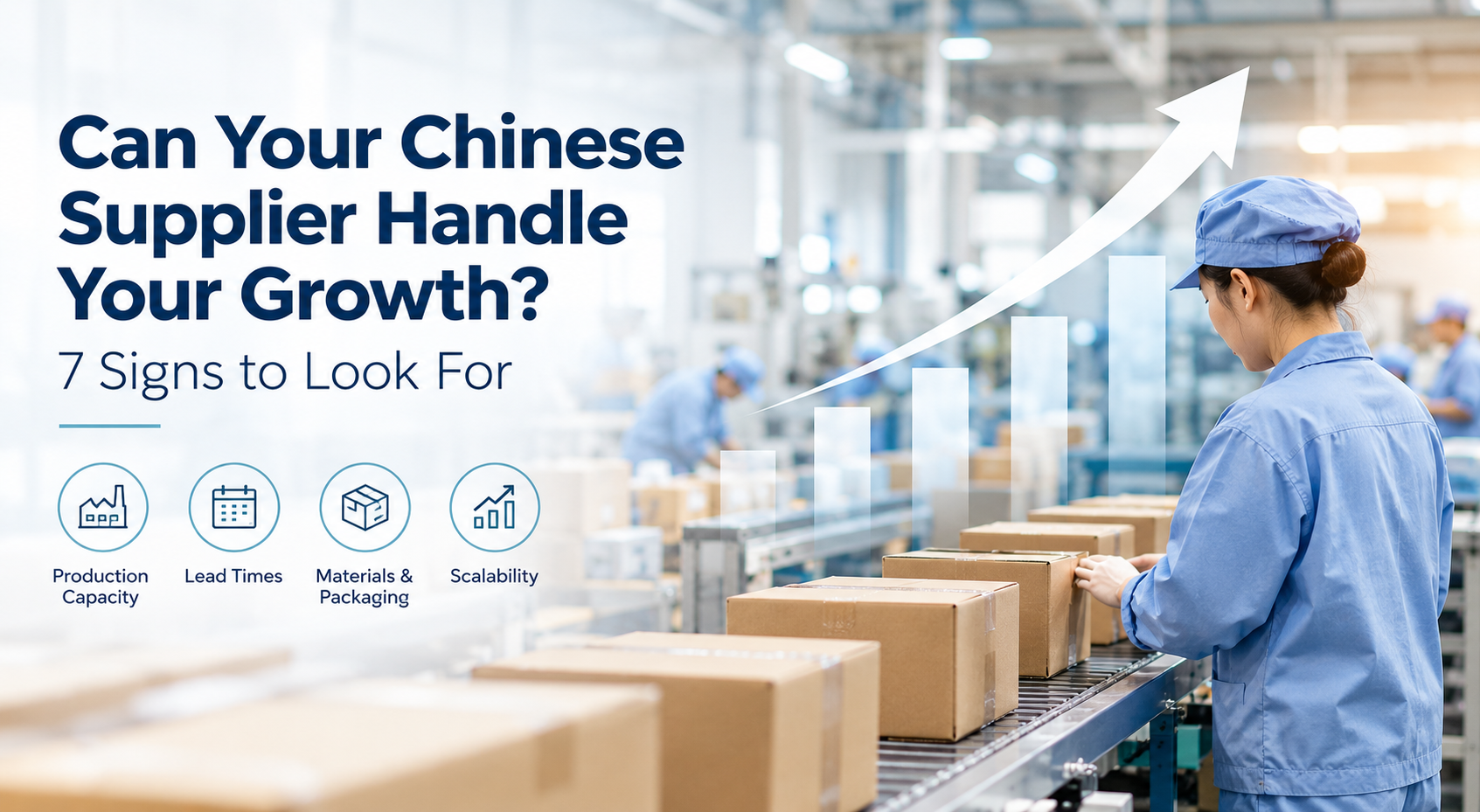
Production capacity
-
Long-term partnership potential
The lowest price rarely delivers the lowest total cost.
Approve Samples Before Mass Production
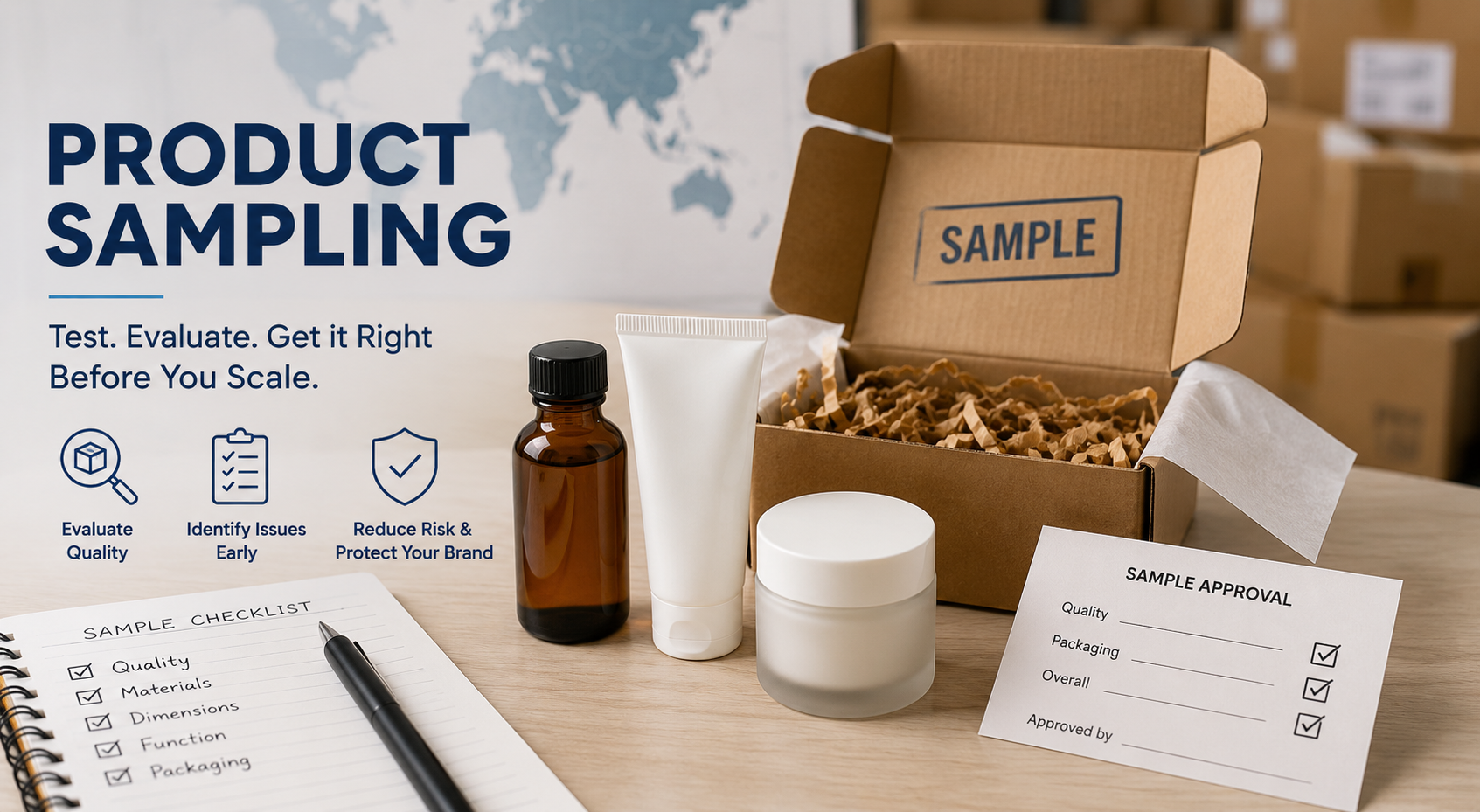
A production sample serves as the benchmark for the entire order.
Before approving production:
-
Test product functionality
-
Verify materials
-
Confirm colours and finishes
-
Review packaging
-
Document approved standards
This reduces the risk of receiving products that don’t meet expectations.
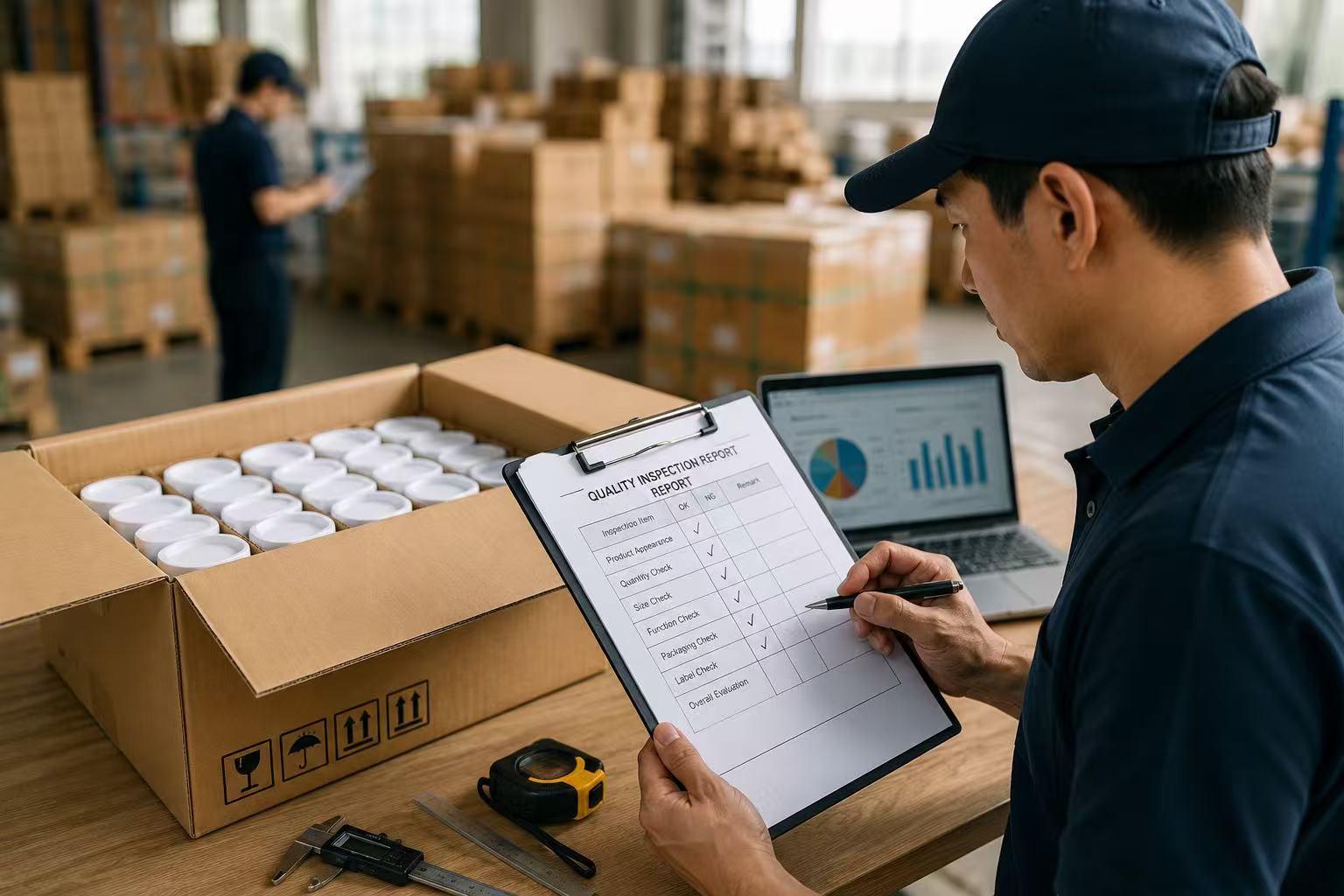
Implement Quality Control Throughout Production
Waiting until goods arrive in the UK to discover quality problems is both expensive and avoidable.
Professional quality control typically includes:
-
Pre-production inspection
-
During-production inspection
-
Pre-shipment inspection
-
Container loading supervision (when required)
Early inspections allow problems to be identified before they become costly.
Understand Incoterms and Shipping Responsibilities
Many sourcing issues arise from misunderstandings about shipping terms.
Before placing an order, ensure both parties clearly understand responsibilities for:
-
Freight arrangements
-
Insurance
-
Customs clearance
-
Import duties
-
Delivery costs
Choosing the right Incoterm helps avoid unexpected expenses and delays.
Build Strong Communication with Your Supplier
Good communication is one of the most effective ways to reduce sourcing risk.
Establish:
-
Clear project timelines
-
Regular production updates
-
Written confirmation of changes
-
Defined points of contact
-
Prompt issue reporting
Strong communication helps build trust and prevents small issues from becoming major problems.
Work with an Experienced Sourcing Partner
For many UK businesses, especially SMEs without a local team in China, working with a sourcing partner provides additional oversight throughout the procurement process.
A sourcing partner can assist with:
-
Supplier identification and verification
-
Price negotiation
-
Sample management
-
Production follow-up
-
Quality inspections
-
Logistics coordination
This can significantly reduce risk while saving valuable time and internal resources.
Final Thoughts
Importing from China doesn’t have to be risky. Most sourcing challenges are preventable with the right processes, clear communication, and careful supplier management.
Rather than focusing solely on securing the lowest price, successful importers invest in building reliable supply chains that prioritise quality, transparency, and long-term value.
By approaching sourcing strategically, UK businesses can reduce risk, improve consistency, and create stronger partnerships with Chinese manufacturers.