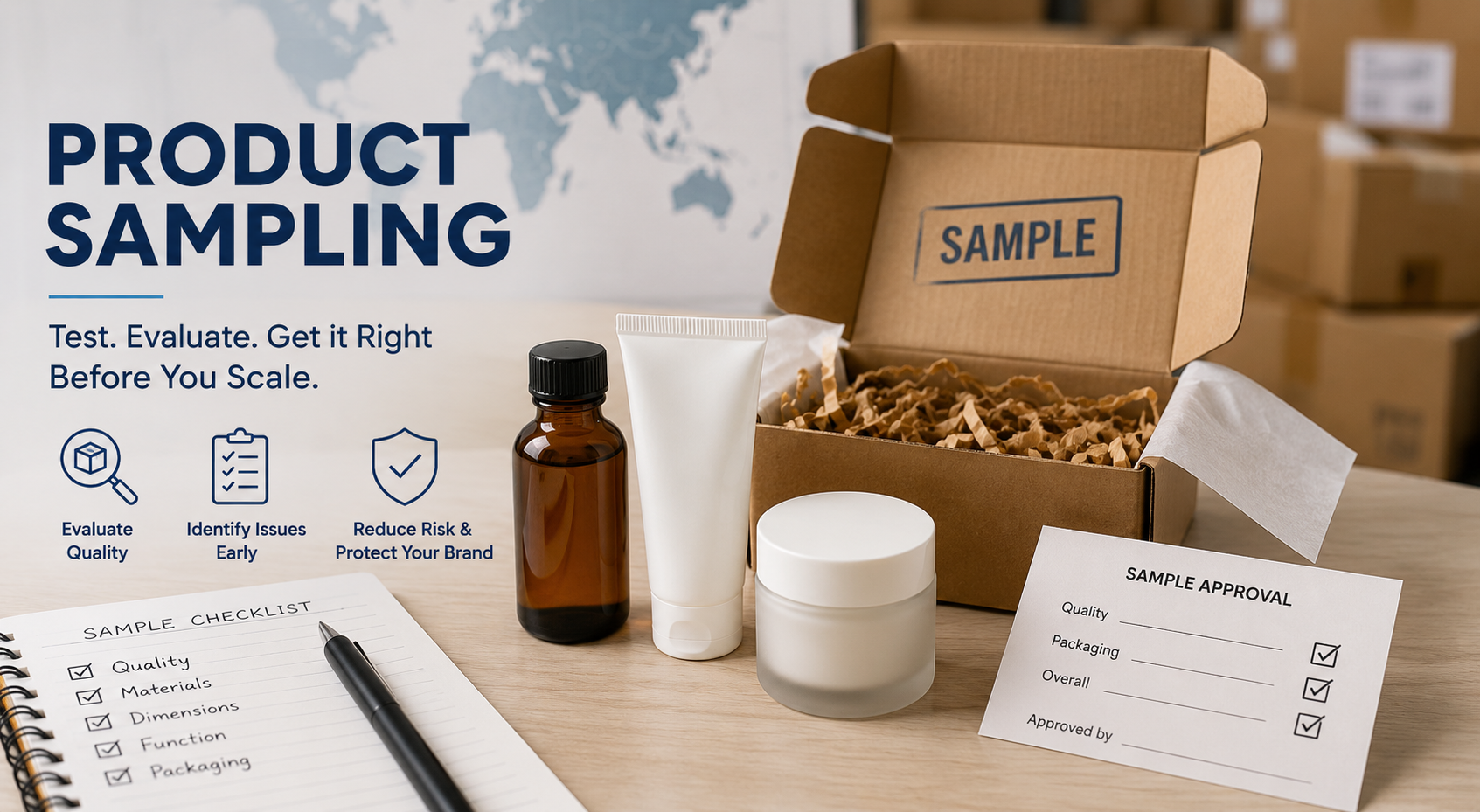
For importers, keeping costs under control isn’t just about negotiating better prices. One of the most effective ways to protect your profit margins is ensuring product quality before goods leave the factory.
A professional quality inspection may represent only a small percentage of your order value, but it can prevent costly problems that arise after shipment.
Why Quality Inspection Matters
Without proper inspection, businesses risk receiving products that don’t meet specifications, contain defects, or fail to comply with customer expectations.
The consequences can include:
-
Product returns and refunds
-
Expensive rework or replacements
-
Shipping delays
-
Damaged brand reputation
-
Lost future sales
Finding these issues before shipment is significantly less expensive than solving them after the products arrive.
How Quality Inspection Reduces Import Costs
1. Prevents Defective Products from Being Shipped
Pre-shipment inspections identify quality issues before containers are loaded, giving manufacturers the opportunity to correct problems immediately.
2. Reduces Return and Warranty Costs
Fewer defective products mean fewer customer complaints, lower warranty claims, and reduced after-sales expenses.
3. Protects Your Brand Reputation
Consistent product quality builds customer trust and encourages repeat business, an advantage that’s difficult to achieve if quality problems reach the market.
4. Improves Supplier Accountability
Knowing that products will be inspected encourages suppliers to maintain higher production standards and strengthen their internal quality control processes.
Best Practices for Importers
To maximise the value of quality inspections:
-
Define clear product specifications before production begins.
-
Establish measurable quality standards.
-
Work with experienced third-party inspection providers when needed.
-
Build long-term relationships with suppliers that consistently meet quality expectations.
Final Thoughts
Quality inspection isn’t an additional expense; it’s a risk management strategy. A relatively small investment before shipment can help businesses avoid defective products, unexpected costs, and customer dissatisfaction.
For importers, protecting product quality ultimately protects profitability. By making quality inspection a standard part of your sourcing process, you can build a more reliable supply chain and reduce the total cost of importing over the long term.