Packaging Is More Than a Product’s Outer Layer
When sourcing products from China, packaging is often treated as one of the final decisions before production.
In reality, it can have a significant impact on product protection, shipping costs, storage, presentation and customer experience.
A beautifully designed box may look impressive but be too large for efficient shipping. On the other hand, packaging designed purely to minimise cost may not provide sufficient protection or meet the quality expectations of your customers.
For UK businesses sourcing products from China, the right packaging needs to balance function, cost and brand presentation.
Here are the key factors to consider.
1. Start With the Product, Not the Packaging
The first question should not be “What type of box do we want?”
It should be:
“What does the product need to be protected?”
Consider the product’s:
– Size and weight
– Shape and fragility
– Material
– Number of components
– Storage requirements
– Risk of movement during transport
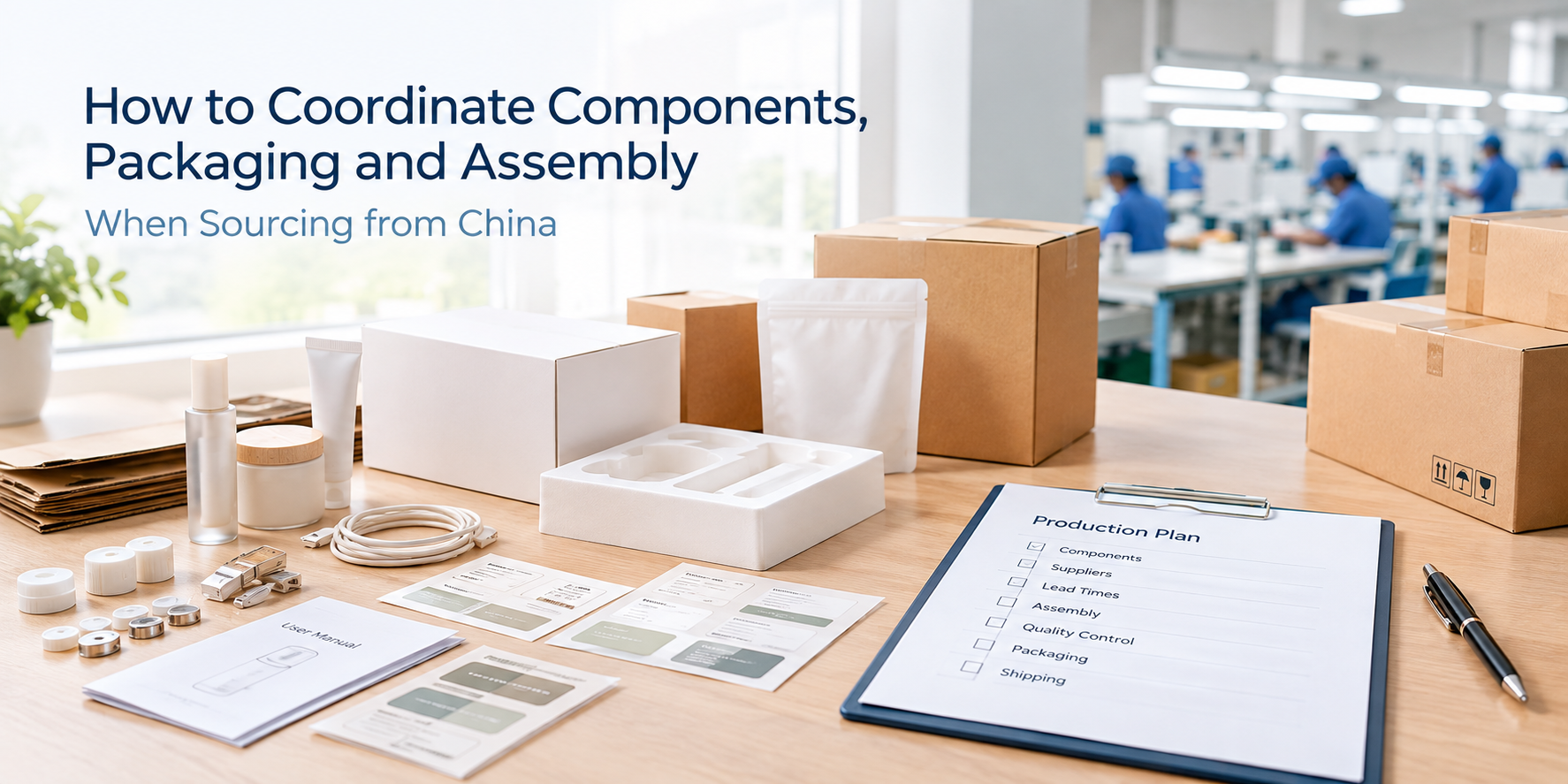
For example, glass containers may require internal supports, while smaller products may benefit from a fitted insert to prevent movement.
Understanding the product first makes it much easier to choose an appropriate packaging structure.
—
2. Think About the Entire Supply Chain
Packaging needs to survive more than the journey from factory to warehouse.
Products may be handled several times during:
Factory → Export Warehouse → Port/Airport → UK Customs → Warehouse → Customer
Each stage creates opportunities for damage.
Packaging should therefore be designed to withstand transportation, stacking, handling and storage.
This is particularly important for businesses importing products in larger quantities by sea freight, where cartons may be stored and handled for extended periods.
Good packaging protects the product before it protects the brand image.
—
3. Consider Packaging Size and Shipping Costs
Packaging dimensions can directly affect logistics costs.
An unnecessarily large box takes up more space during transportation and storage. Depending on the shipping method and carrier, dimensional or volumetric weight can also become an important consideration.
Before finalising a design, check:
– Outer carton dimensions
– Product-to-packaging ratio
– Number of units per carton
– Carton weight
– Pallet or container utilisation
A small reduction in packaging size across thousands of units can create meaningful savings.
This is why packaging design should ideally be considered before mass production, rather than treated as an afterthought.
—
4. Choose the Right Packaging Structure
There is no single packaging format that works for every product.
Depending on the product and target market, options may include:
– Mailer boxes
– Folding cartons
– Rigid boxes
– Drawer boxes
– Magnetic boxes
– Pouches
– Custom inserts
The best choice depends on the balance between cost, protection, functionality and presentation.
For example, premium rigid packaging may create a stronger unboxing experience, while a lightweight mailer box may be more practical for products that need to be shipped directly to customers.
—
5. Don’t Forget the Internal Packaging
The outside of the box gets most of the attention, but the internal structure is often just as important.
Products can be secured using:
– Cardboard inserts
– Paper moulds
– Foam
– Pulp trays
– Die-cut supports
– Custom compartments
A well-designed insert can prevent products from moving inside the box and reduce the risk of scratches, breakage or deformation.
For products with multiple components, dedicated compartments can also make packaging easier to assemble and improve the customer experience.
—
6. Balance Quality With Cost
Premium packaging does not necessarily mean expensive packaging.
The objective should be to create the right level of packaging for the product and target customer.
For example, a growing consumer brand may not need an expensive rigid box if a well-designed folding carton can achieve the same visual impact at a lower cost.
When comparing packaging options, consider the total cost, including:
– Packaging materials
– Printing
– Inserts
– Assembly
– Storage
– Shipping
– Potential product damage
The cheapest packaging option is not always the most cost-effective.
—
7. Test Before Going Into Mass Production
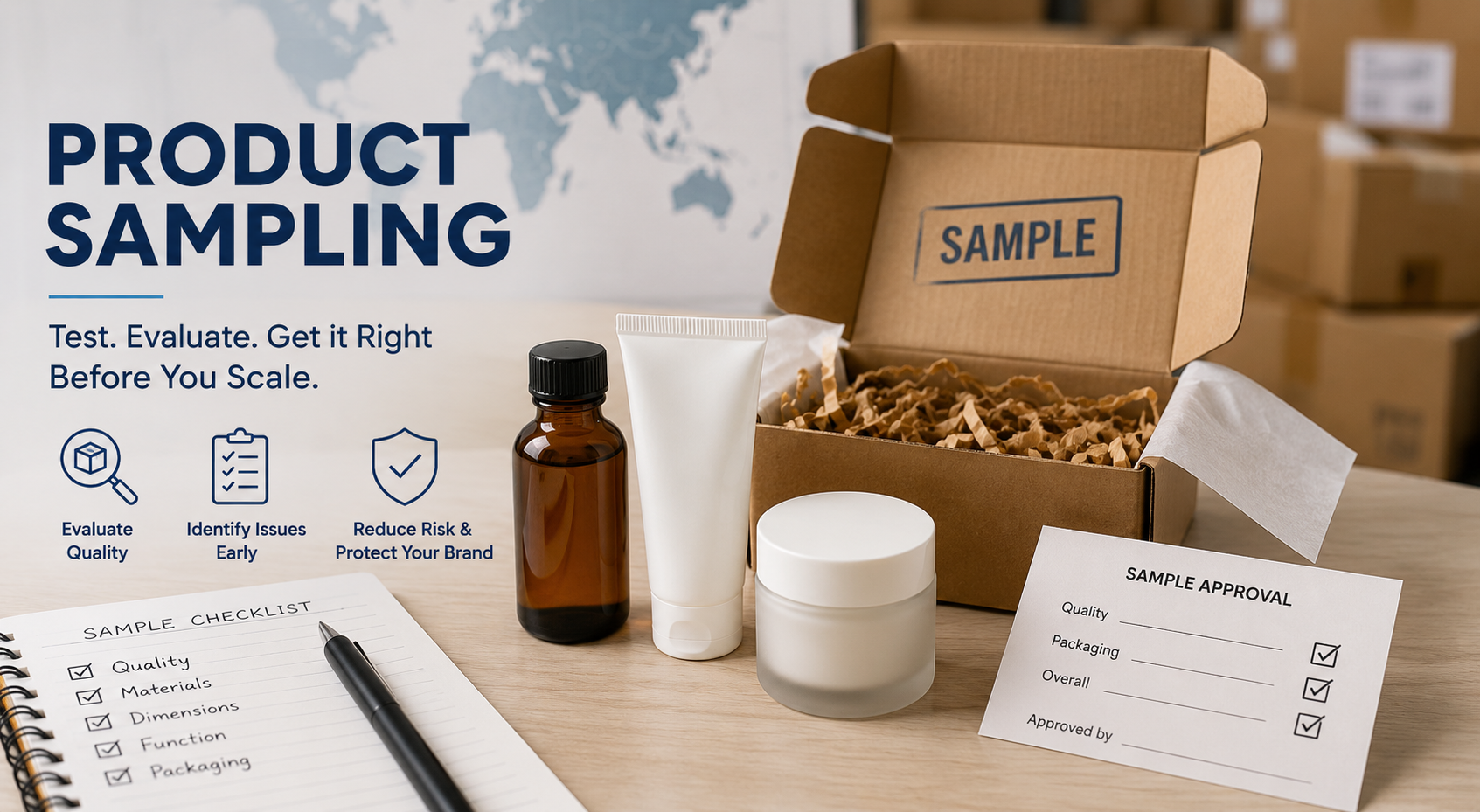
One of the most important steps is also one of the easiest to overlook: make a sample first.
A packaging sample allows you to check whether:
– The product fits correctly
– Components are secure
– The packaging looks as expected
– The structure is practical to assemble
– The dimensions work for shipping
– The materials meet expectations
It is much easier and cheaper to modify a packaging sample than thousands of finished units.
—
Final Thoughts: Good Packaging Starts With Good Planning
Choosing packaging when manufacturing in China is not simply a design exercise.
The right solution needs to bring together product protection, logistics, cost, functionality and brand presentation.
For UK businesses, involving the packaging supplier and manufacturer early in the sourcing process can help identify potential problems before production begins.
Instead of asking “What packaging looks best?”, ask:
“What packaging gives our product the right protection, cost, functionality and customer experience?”
That shift in thinking can lead to better packaging decisions — and a more efficient overall supply chain.