A purchase order (PO) may look like a simple document, but when you are manufacturing products in China, it can play a much bigger role.
A well-prepared PO gives your supplier a clear reference for what is being produced, how it should be made, how much it costs and when it needs to be delivered.
The more specific the order, the less room there is for assumptions.
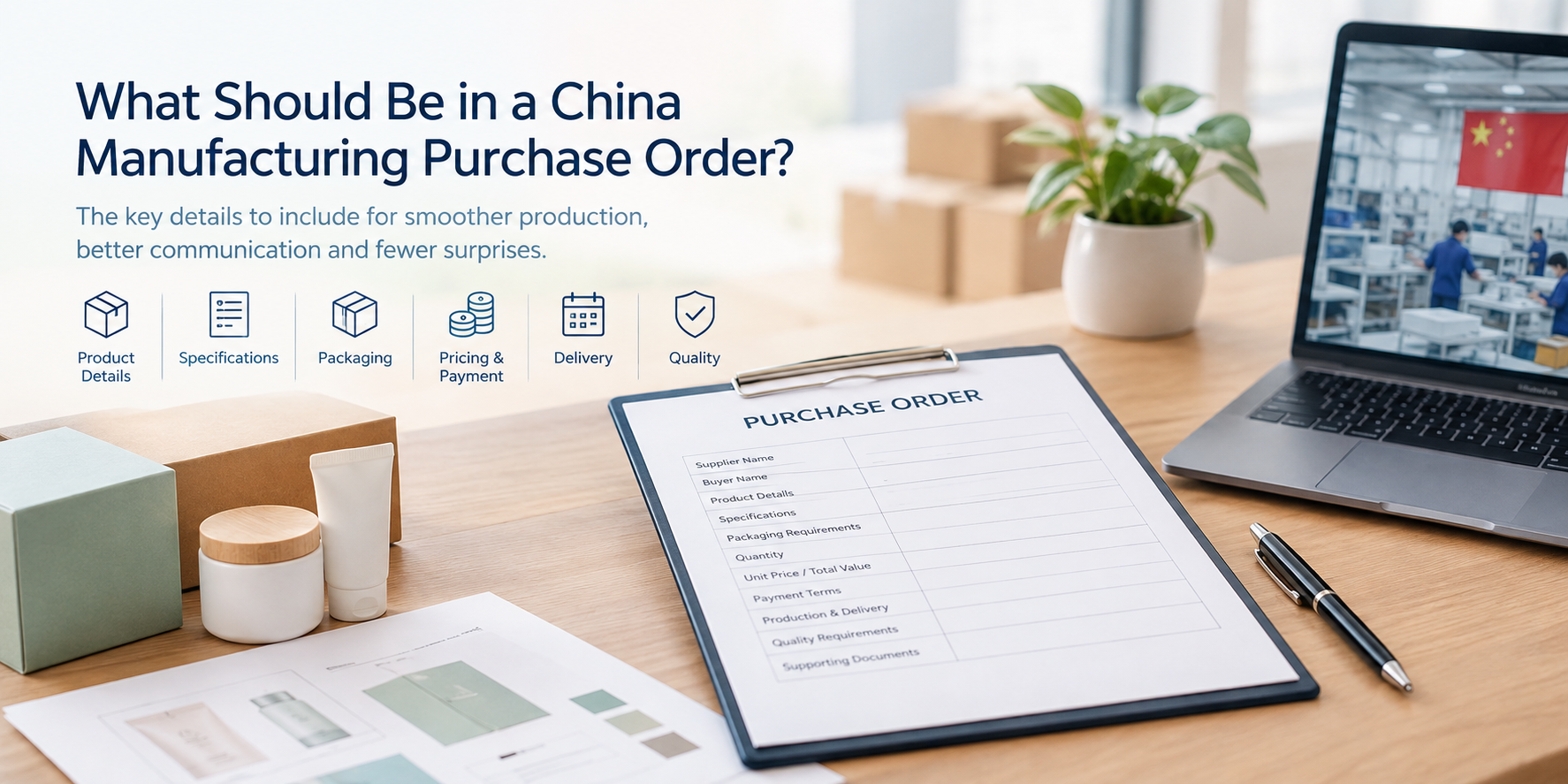
Here are the key details your China manufacturing purchase order should include.
Product and SKU Details
Start with the basics, but be specific.
Your PO should clearly state:
-
Product name and SKU
-
Product code or reference number
-
Quantity required
-
Product size, colour and version
-
Applicable product specifications
-
Relevant artwork or technical drawings
If you have several similar products, avoid relying on product names alone. A clear SKU or reference number can prevent confusion during production.
Product Specifications
Your PO should refer to the specifications agreed with the supplier.
Depending on the product, this could include:
-
Materials and material grades
-
Dimensions and tolerances
-
Weight or thickness
-
Colour requirements
-
Components and accessories
-
Performance requirements
-
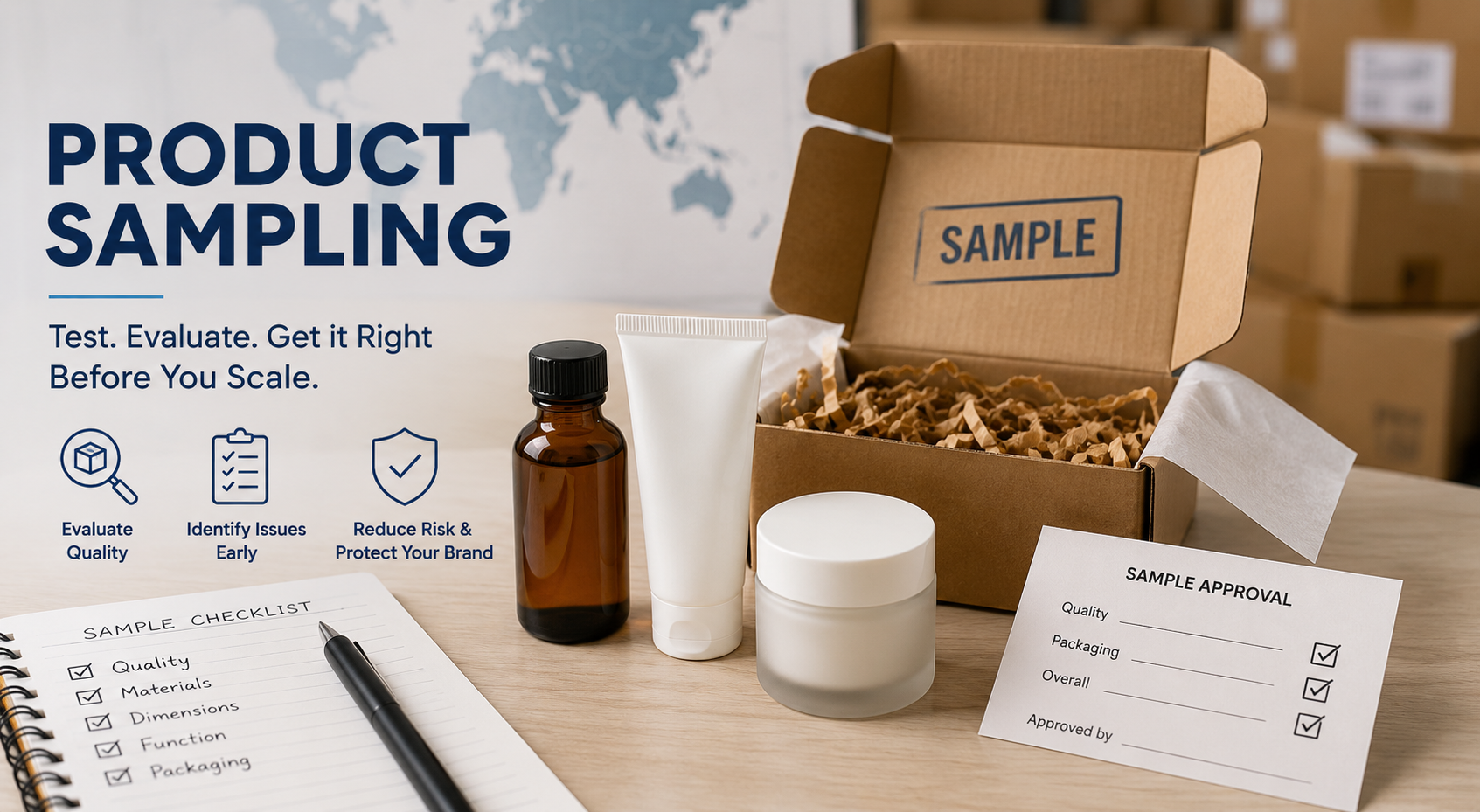
Applicable samples or approved prototypes
If a physical sample has been approved, it can also be useful to identify it clearly as the approved production sample.
This gives both sides a reference if questions arise later.
Packaging Requirements
Packaging is often overlooked when preparing a PO.
However, the finished product may depend on several packaging components, such as:
-
Product boxes
-
Labels
-
Pouches
-
Inserts
-
Instruction leaflets
-
Outer cartons
-
Protective packaging
Specify what is required, including quantities, artwork versions and any agreed packaging standards.
This is particularly important when your product involves multiple components that need to be assembled before shipment.
Pricing and Payment Terms
The PO should clearly show the agreed commercial terms.
Include:
-
Unit price
-
Total order value
-
Currency
-
Payment terms
-
Deposit amount, if applicable
-
Balance payment terms
-
Any tooling, mould or setup costs
-
Additional agreed charges
Make sure the pricing matches the supplier’s latest quotation or commercial agreement.
If any costs are excluded, such as shipping, tax or inspection fees, clarify this rather than leaving it open to interpretation.
Production and Delivery Requirements
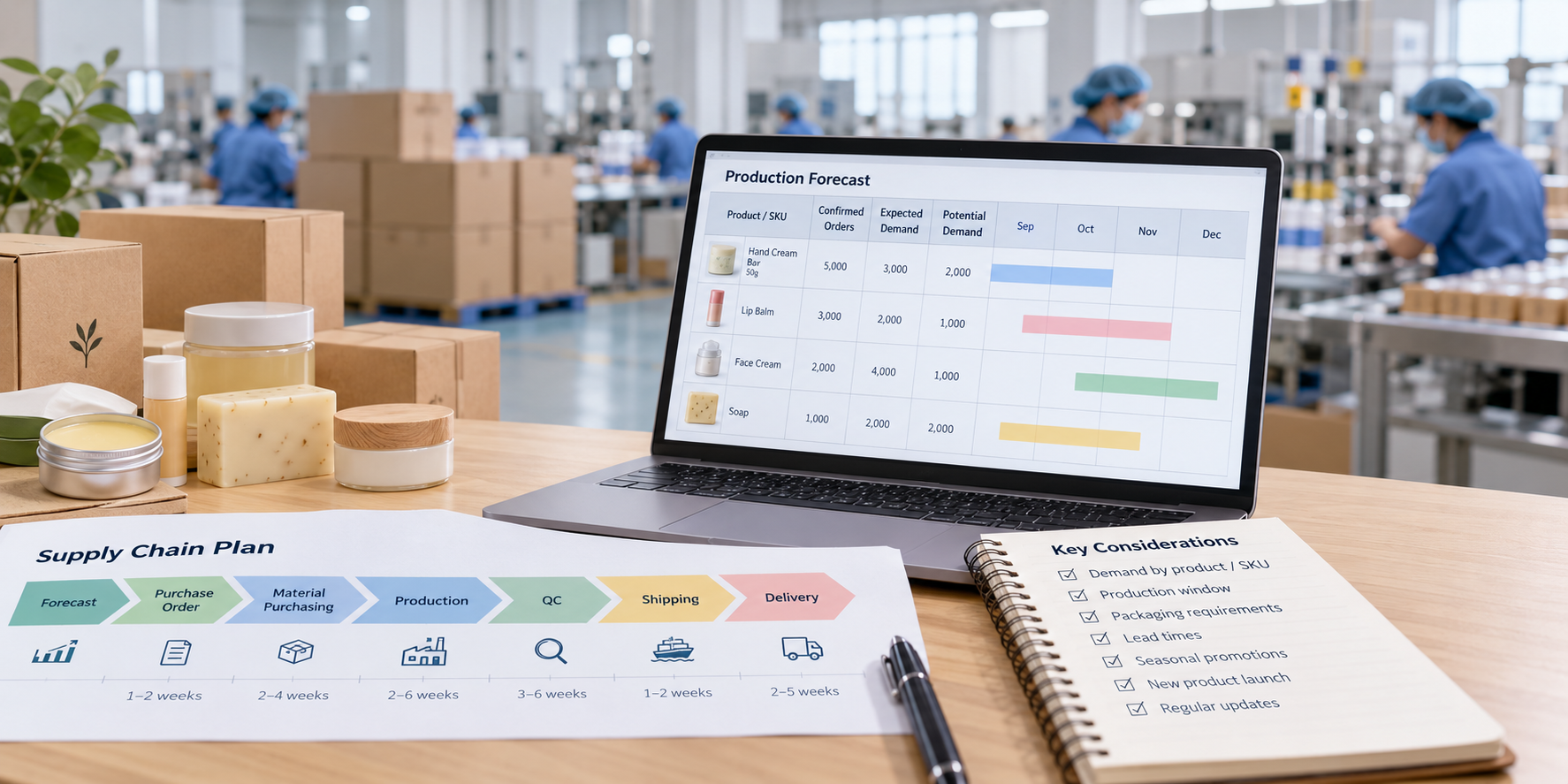
Your supplier needs to know not only how much to produce, but also when it is required.
Include:
-
Required production date or timeframe
-
Expected completion date
-
Delivery deadline
-
Shipping method, where relevant
-
Delivery location
-
Agreed Incoterm, if applicable
For regular orders, it can also be useful to refer to an agreed production lead time rather than relying on a single calendar date.
Quality Requirements
A PO is also an opportunity to confirm the quality expectations agreed with your supplier.
Depending on your product, this may include:
-
Approved sample reference
-
Inspection requirements
-
Acceptable quality standards
-
Defect criteria
-
Packaging condition
-
Labelling requirements
-
Pre-shipment inspection arrangements
The PO does not need to contain every technical detail if these are already covered in a separate specification or quality document. It should, however, clearly reference the documents that form part of the order.
Artwork and Document Versions
Version control becomes increasingly important as your product range grows.
If your supplier is using artwork, packaging designs or technical files, include the relevant version or revision number.
For example:
Box Artwork: TB-BOX-03 Rev. 2
This is much safer than simply saying “use the latest artwork”.
It reduces the risk of an old file being used accidentally, particularly when several versions have been exchanged by email.
Inspection, Approval and Changes
Consider stating how changes to the order should be handled.
For example, if the supplier identifies an issue with materials, specifications or packaging, they should confirm the change before proceeding.
This is especially useful when a small change could affect:
-
Product cost
-
Production time
-
Product performance
-
Packaging
-
Compliance
-
Delivery dates
Written confirmation helps prevent a verbal discussion from becoming an unexpected production change.
Shipping and Carton Information
If shipping arrangements are already known, include the relevant information in the PO.
This may include:
-
Shipping address
-
Delivery terms
-
Carton requirements
-
Estimated carton quantity
-
Carton dimensions
-
Gross and net weight requirements
-
Shipping marks
Some of this information may only be confirmed after production, but identifying the requirements early helps avoid problems later.
Reference the Supporting Documents
A strong PO does not have to contain every piece of information itself.
Instead, it should act as a central reference point for the order.
You may need to reference:
-
Product specifications
-
Approved samples
-
Packaging artwork
-
Technical drawings
-
Quality standards
-
Inspection instructions
-
Supplier quotation
Make sure the supplier has access to the correct versions of these documents.
A Good PO Reduces Assumptions
The purpose of a China manufacturing purchase order is not simply to tell a factory how many units to make.
It should create a shared understanding of the order between you and your supplier.
Before sending a PO, ask:
Could a new member of the supplier’s production team understand exactly what needs to be made from this document and its referenced files?
If the answer is yes, your PO is probably doing its job.
A clear purchase order cannot eliminate every manufacturing risk, but it can significantly reduce misunderstandings around product specifications, packaging, pricing, quality and delivery.
For businesses sourcing from China, that clarity becomes increasingly valuable as order volumes and product complexity grow.