When sourcing products from China, it can be tempting to move quickly from a supplier quotation to a bulk order.
After all, if the product specifications look correct and the price is competitive, what could go wrong?
Quite a lot.
A product sample gives you the opportunity to evaluate what a supplier can actually produce before committing significant money to mass production. For UK businesses, this simple step can prevent expensive mistakes later in the sourcing process.
What Is Product Sampling?
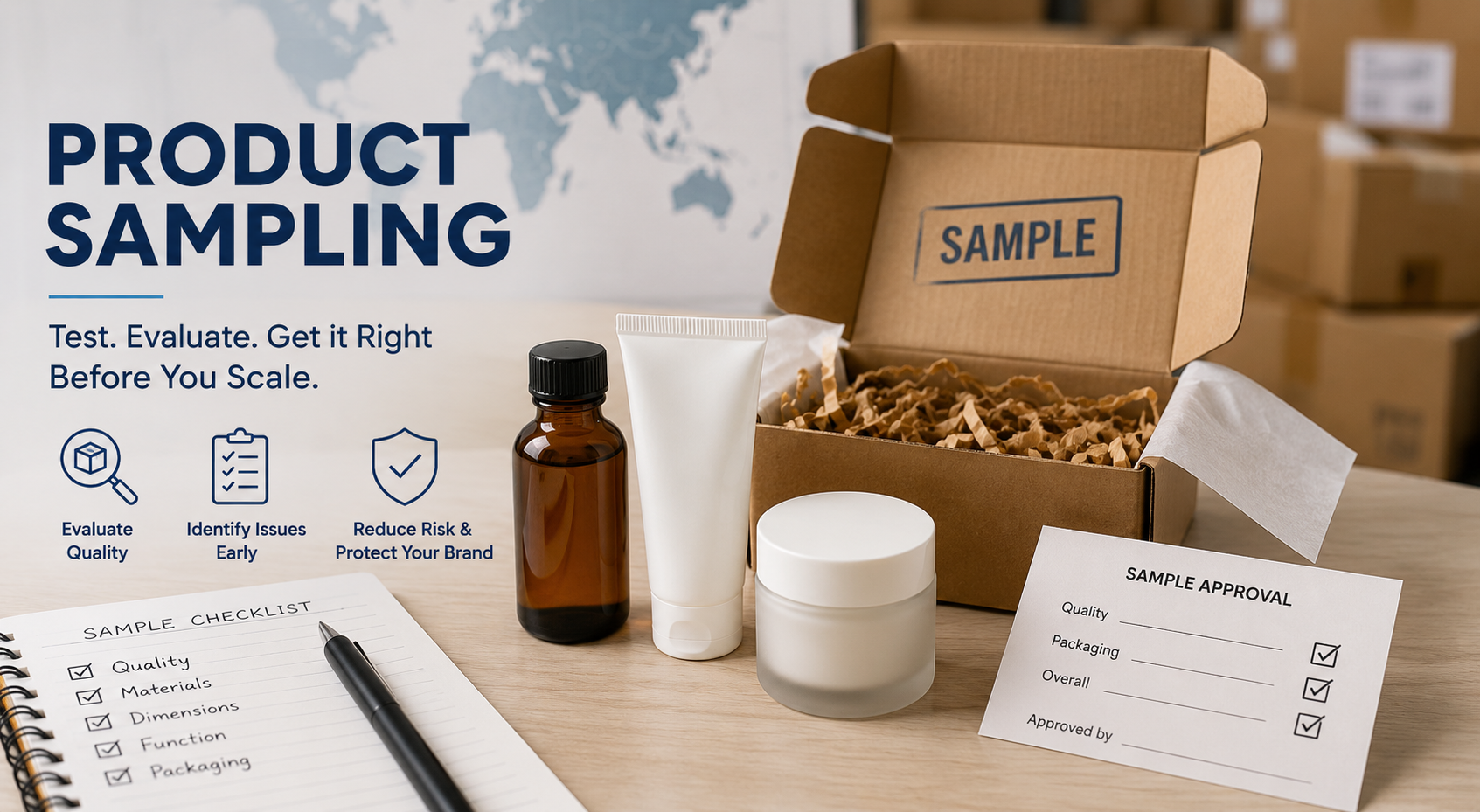
Product sampling is the process of requesting one or more physical samples from a supplier before placing a larger production order.
Depending on the product, a sample may be:
-
An existing factory sample
-
A modified sample based on your specifications
-
A prototype
-
A pre-production sample using your final materials and components
The purpose isn’t simply to see what the product looks like. A good sampling process allows you to evaluate quality, functionality, materials, dimensions, packaging and manufacturing consistency before moving forward.
A Sample Shows You What the Supplier Can Actually Make
Supplier catalogues, photographs and specifications can only tell you so much.
The physical sample provides evidence of the supplier’s actual manufacturing capability.
You can check whether the materials feel right, whether dimensions match your requirements and whether the finish meets your expectations.
This is particularly important when working with a new supplier. A factory may say it can manufacture a product to your specifications, but the sample is an opportunity to verify that claim.
It Helps Identify Problems Before Mass Production
Small issues are relatively easy to fix when you’re dealing with one sample.
They become much more expensive when you’ve ordered 5,000 or 10,000 units.
Sampling can reveal problems such as:
-
Incorrect dimensions
-
Poor material quality
-
Weak components
-
Colour differences
-
Printing or branding issues
-
Packaging problems
-
Difficult assembly
-
Functional issues
Finding these problems early gives you a chance to adjust the specifications before production begins.
The Sample Becomes a Quality Reference
One of the most useful roles of a product sample is that it can become a physical quality benchmark.
Once the final sample has been approved, it provides a clear reference for mass production.
Instead of simply telling a factory that the product should be “high quality”, you have a specific approved version against which production can be assessed.
This can make quality control much more objective.
Sampling Can Save Money—Not Just Cost Money
Some businesses avoid samples because they see them as an additional expense.
But the cost of a sample is usually small compared with the potential cost of a failed bulk order.
Consider the difference between discovering a problem with one sample and discovering the same problem with 5,000 finished units.
The sample may involve additional development, tooling or shipping costs, but these costs can be viewed as part of the risk-management process.
Don’t Just Approve the Product—Check the Whole Experience
For consumer products, the product itself is only part of the final customer experience.
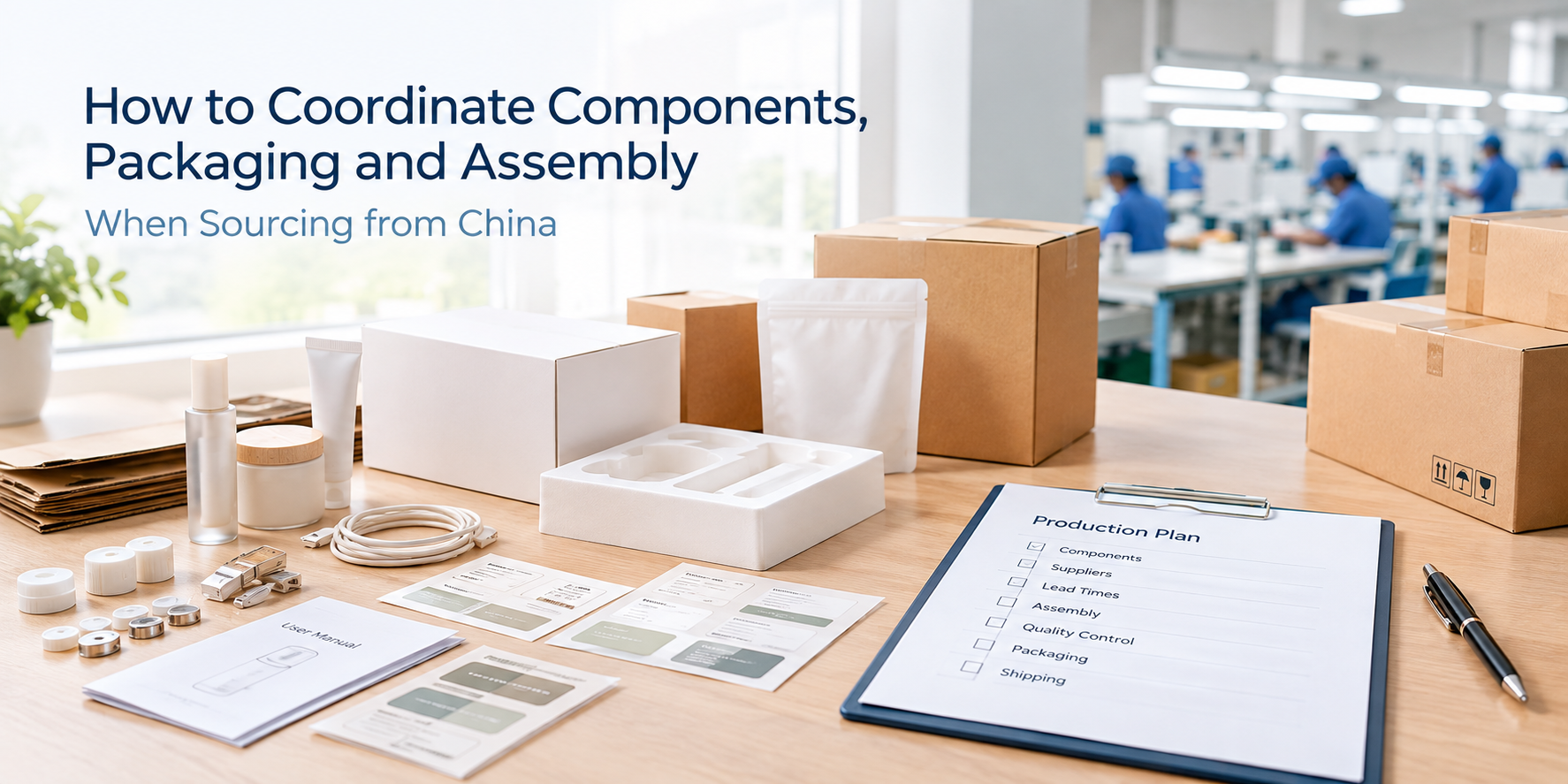
Where relevant, consider sampling the packaging as well as the product.
Check whether:
-
The product fits correctly inside the packaging
-
Labels and artwork are accurate
-
Instructions are included correctly
-
Packaging protects the product during transportation
-
Assembly and packing are practical
-
The final presentation matches your brand expectations
This is especially important when sourcing products that require customised packaging or assembly in China.
From Sample Approval to Mass Production
Approving a sample doesn’t mean the sourcing process is finished.
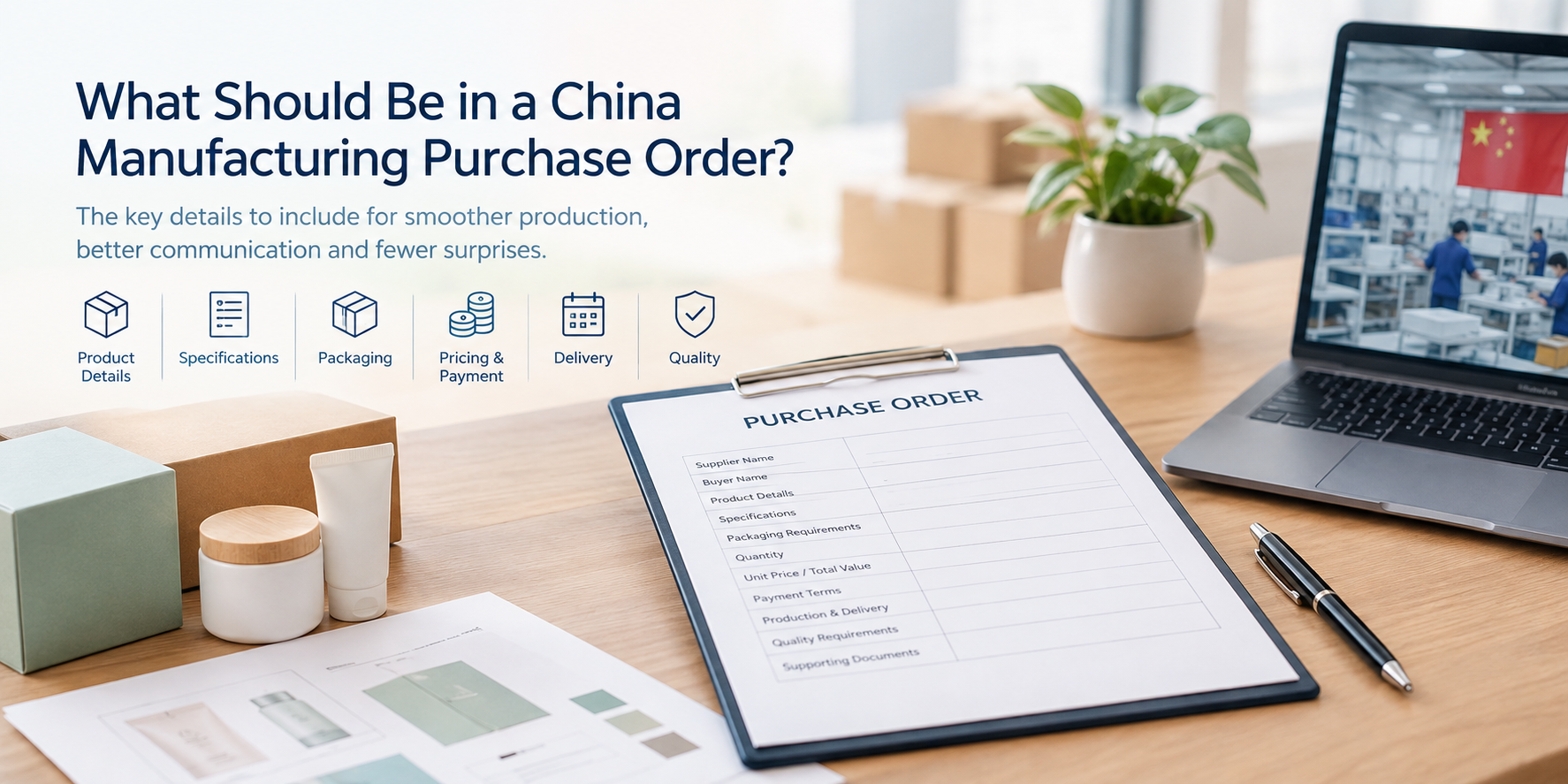
Before mass production begins, make sure the approved sample is clearly documented and that important specifications have been confirmed with the supplier.
Ideally, the final production should be based on an agreed specification covering the materials, dimensions, colours, components, packaging and other critical requirements.
For more complex products, it may also be worthwhile to request a pre-production sample before the full production run.
Final Thought
Product sampling isn’t simply about checking whether you like a product.
It is a practical way to reduce uncertainty before committing to mass production.
For UK businesses sourcing from China, taking the time to test and approve a product sample can help identify problems earlier, establish a clear quality benchmark and reduce the risk of costly surprises later.
A good supplier should be able to show you what they can produce. The sample is your opportunity to make sure what they produce is actually what your business needs.