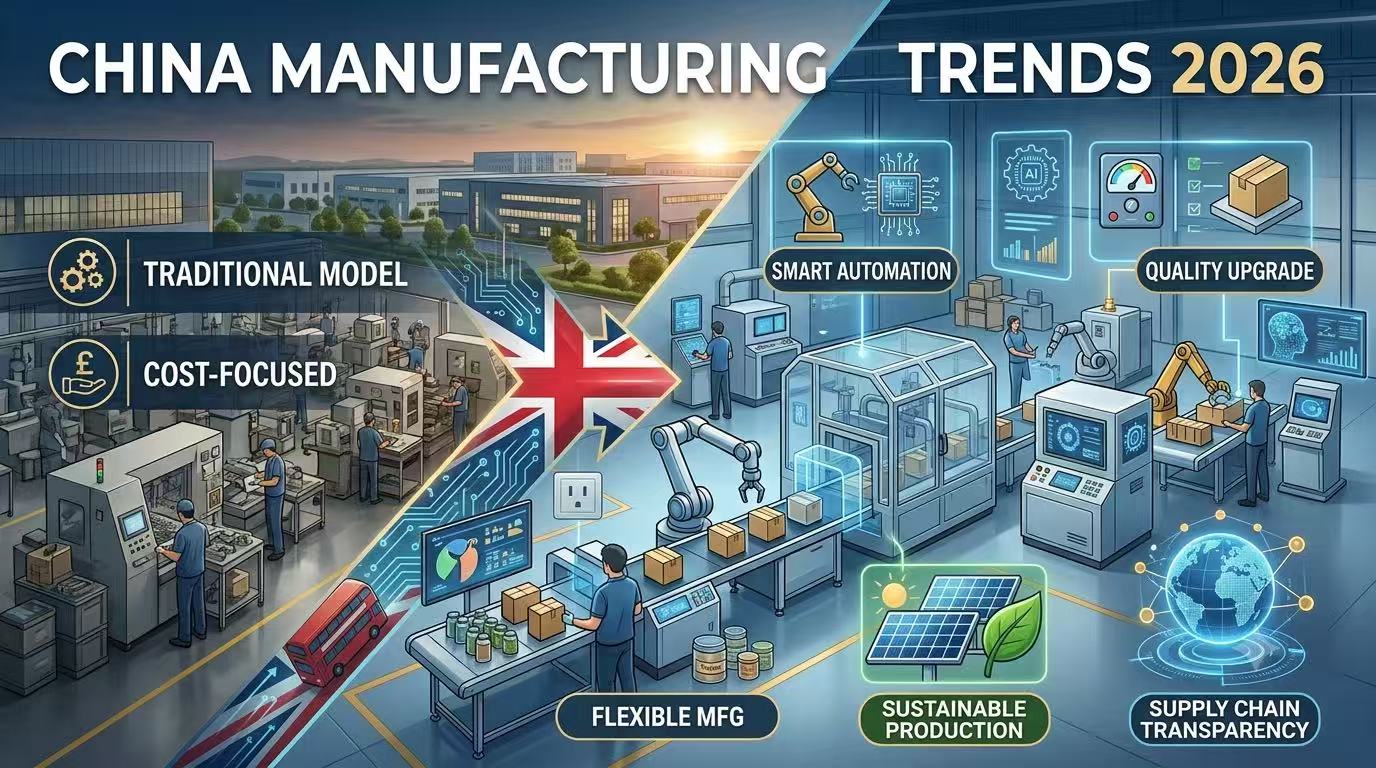
China remains one of the world’s leading manufacturing hubs, offering competitive pricing, extensive production capabilities, and access to a wide range of products. For many UK businesses, sourcing directly from Chinese suppliers seems like a straightforward way to reduce costs and improve margins.
However, the reality is often more complex. Without local expertise and on-the-ground support, companies can encounter unexpected challenges that impact quality, timelines, and profitability.
## 1. Finding Reliable Suppliers Is More Difficult Than It Appears
Online platforms provide access to thousands of suppliers, but identifying genuinely capable and trustworthy manufacturers can be challenging.
Not all suppliers have the same production standards, export experience, or quality management systems. Some trading companies present themselves as factories, making it difficult to verify actual manufacturing capabilities.
Conducting proper supplier due diligence requires time, industry knowledge, and local market understanding.
## 2. Communication Gaps Can Lead to Costly Errors
Even when suppliers have English-speaking sales representatives, misunderstandings can occur during discussions about specifications, materials, packaging requirements, or compliance standards.
Small details that seem obvious to buyers may be interpreted differently by manufacturers, resulting in products that fail to meet expectations.
Clear communication and detailed technical documentation are essential, but managing this process remotely can be challenging.
## 3. Quality Control Is Difficult Without Local Presence
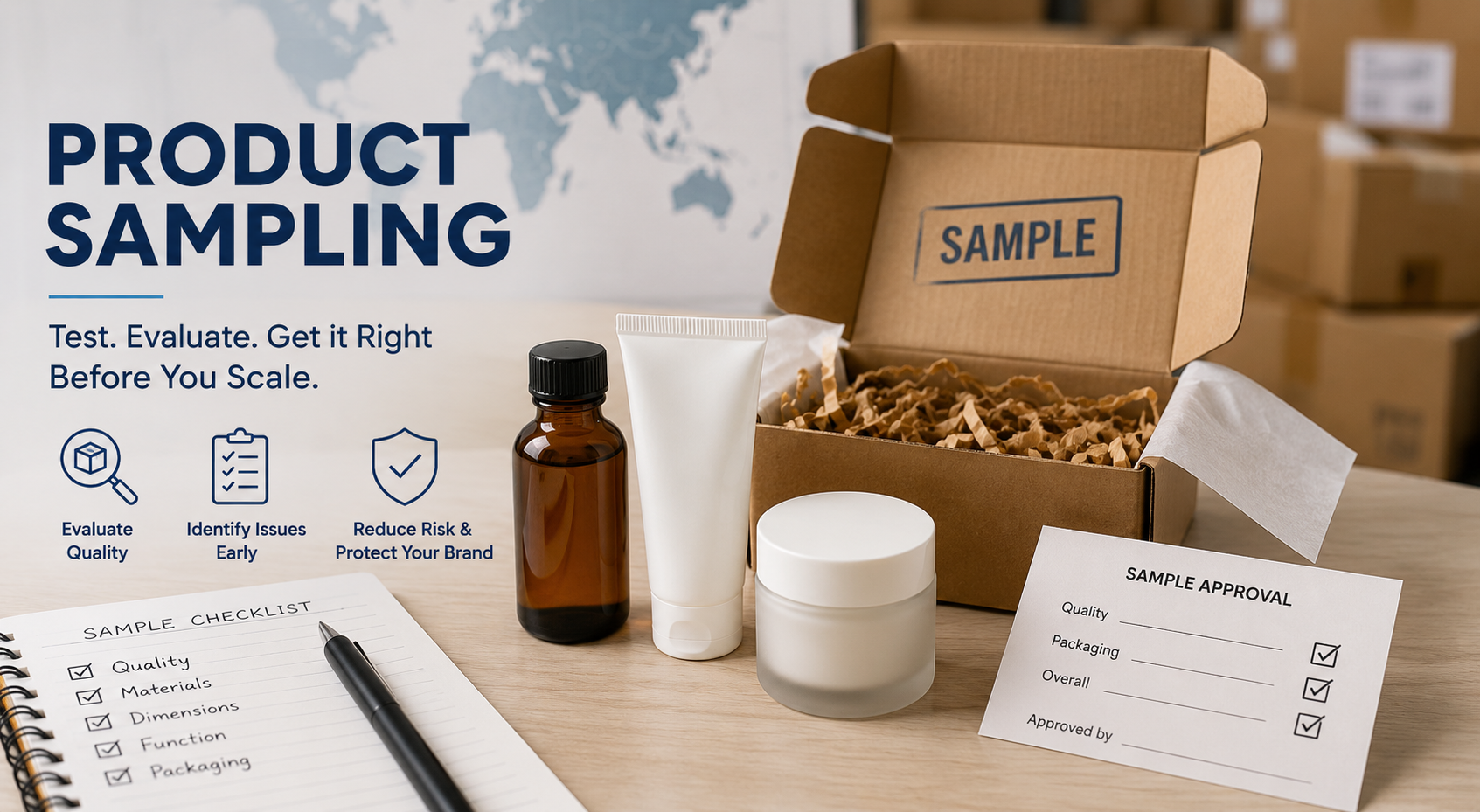
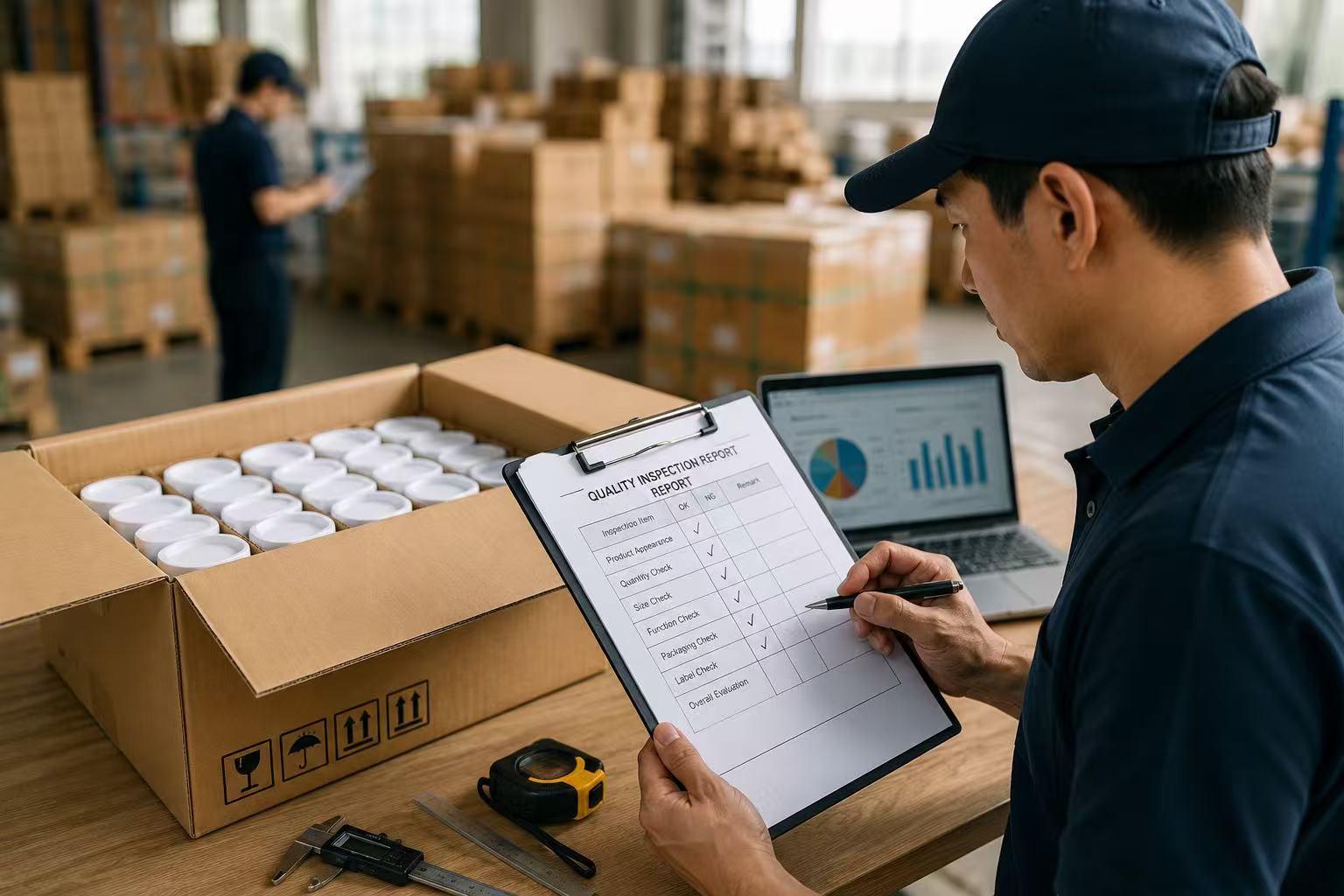
One of the biggest risks in international sourcing is discovering quality issues after goods have already been produced or shipped.
Without factory inspections and production monitoring, businesses often have limited visibility into manufacturing processes. Problems such as inconsistent materials, defective products, or incorrect packaging may not be identified until the shipment arrives in the UK.
At that stage, corrective actions become significantly more expensive and time-consuming.
## 4. Negotiation and Cost Management Require Local Market Knowledge
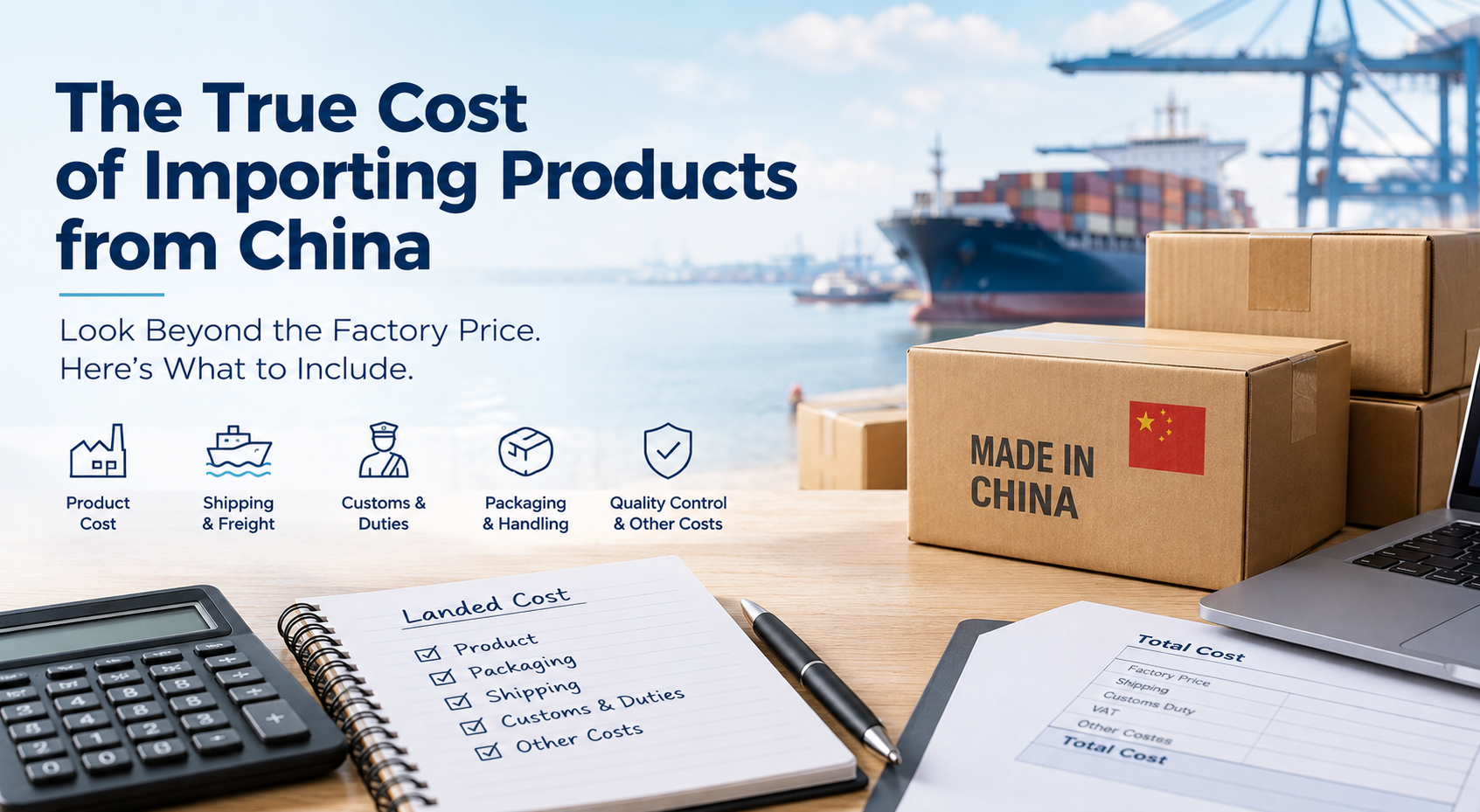
Many buyers focus solely on unit price, but total sourcing costs involve much more than the initial quotation.
Factors such as tooling fees, packaging costs, production lead times, payment terms, and logistics expenses can significantly affect overall profitability.
Understanding local pricing structures and industry benchmarks helps businesses make more informed purchasing decisions and avoid hidden costs.
## 5. Supply Chain Disruptions Can Affect Delivery Schedules
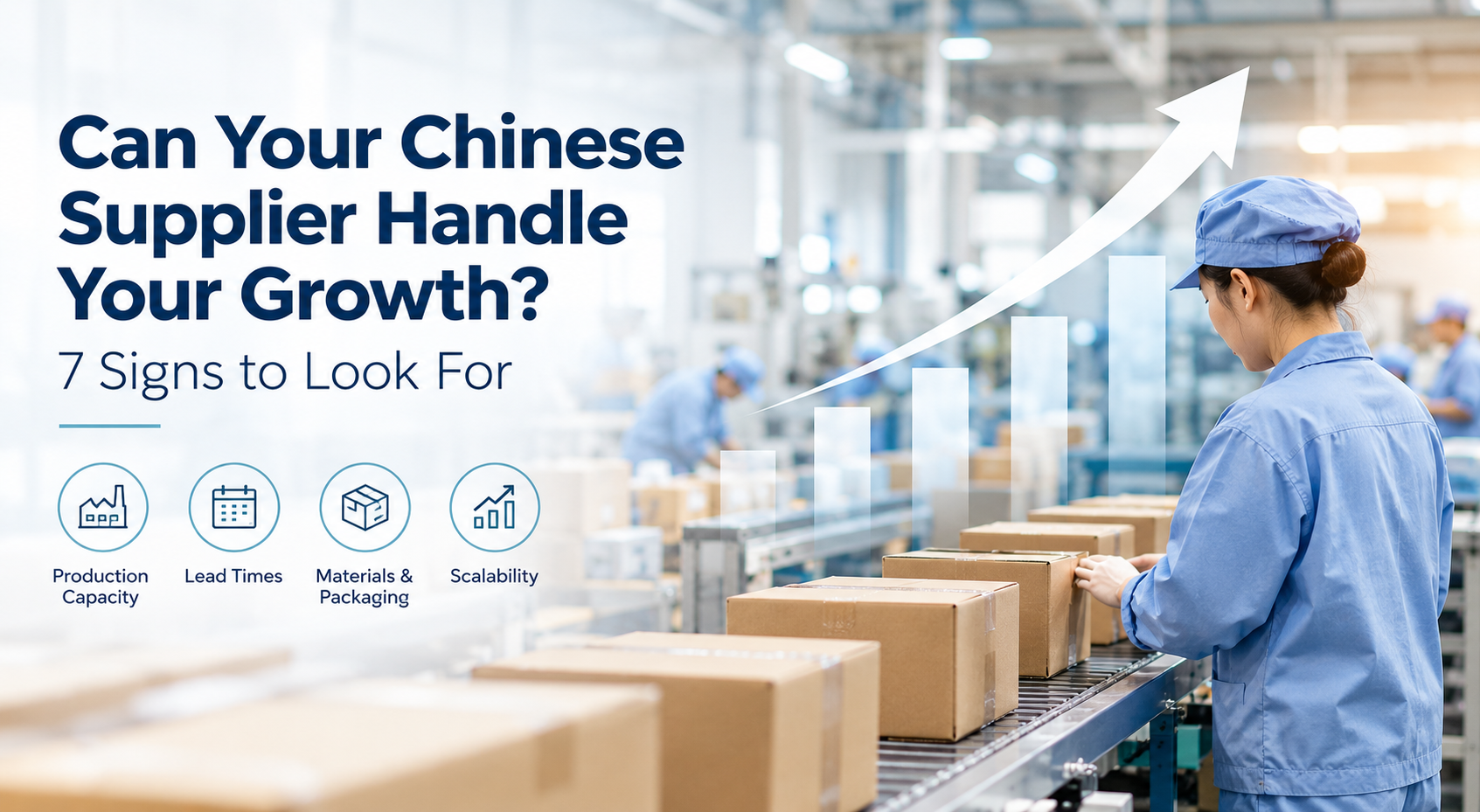
Production delays, raw material shortages, peak-season congestion, and shipping disruptions can all impact delivery timelines.
For businesses relying on consistent inventory levels, unexpected delays may result in stock shortages, missed sales opportunities, and dissatisfied customers.
Effective supplier management and proactive coordination are critical for reducing supply chain risks.
## Why Many Businesses Choose a Sourcing Partner
A professional sourcing partner acts as a bridge between overseas buyers and Chinese manufacturers. By providing supplier verification, factory audits, quality inspections, production monitoring, and local communication support, sourcing partners help businesses reduce risk and improve sourcing efficiency.
Rather than replacing direct supplier relationships, a sourcing partner provides additional visibility and control throughout the procurement process.
## Final Thoughts
China continues to offer significant opportunities for UK businesses seeking competitive manufacturing solutions. However, successful sourcing requires more than simply finding a supplier online.
Understanding supplier capabilities, maintaining quality standards, managing communication, and reducing operational risks are all essential elements of a successful sourcing strategy.
For companies looking to build long-term and reliable supply chains, having local expertise on the ground can often make the difference between a successful sourcing project and an expensive lesson.