Manufacturing a product with multiple components can be more complicated than it first appears. Even when each individual part is straightforward to produce, coordinating everything so it arrives at the right time, meets the required specifications and fits together correctly can be a challenge.
For UK brands sourcing from China, the key is to manage the entire production process rather than treating each component as a separate order.
Here are five practical ways to keep multi-component manufacturing on track.
1. Map Out Every Component
Start by creating a complete list of everything needed to make the finished product.
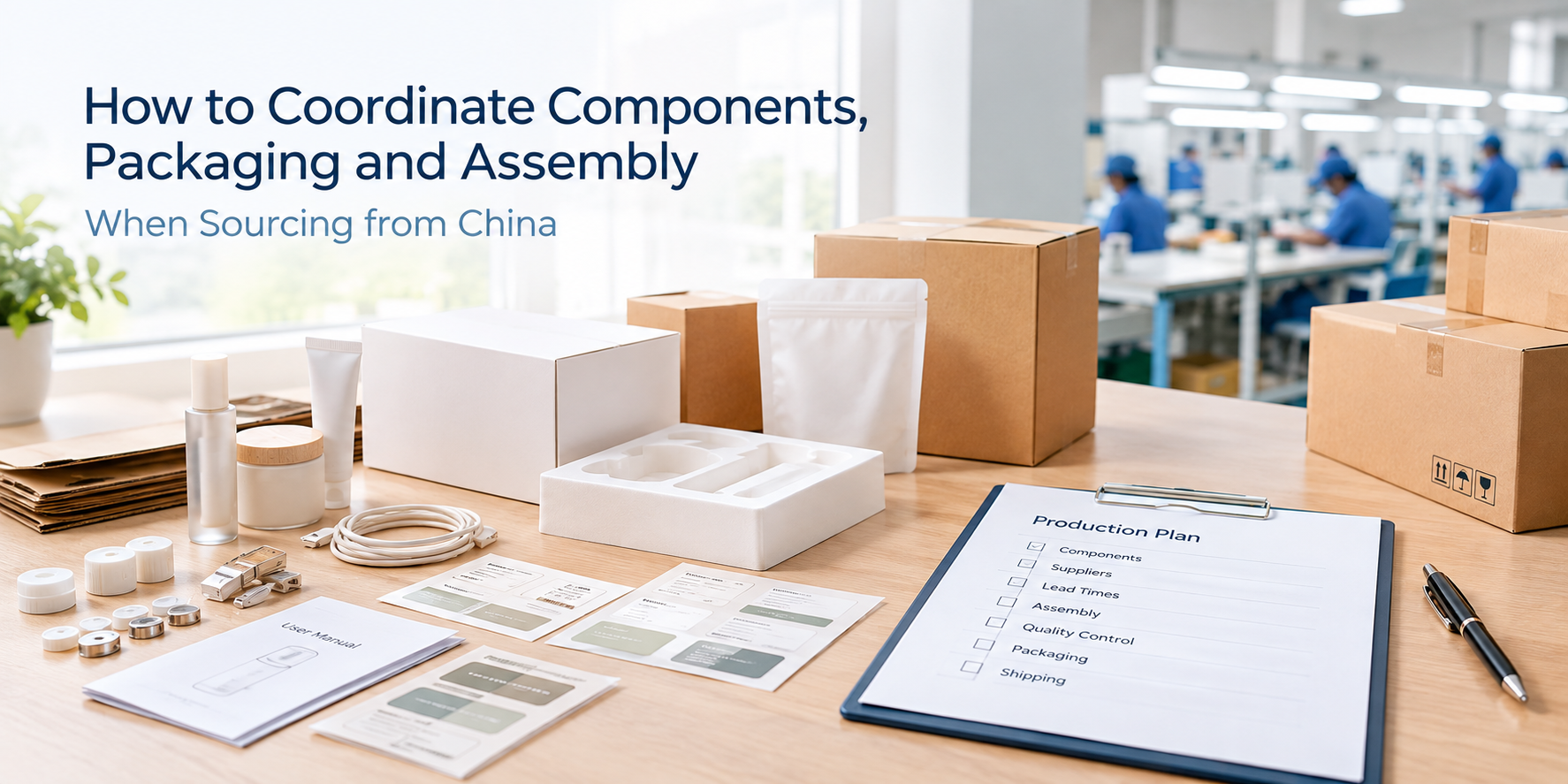
This may include the main product, accessories, labels, boxes, pouches, instruction leaflets and protective packaging.
For each component, record its supplier, specification, quantity, lead time and delivery requirements.
This simple overview helps identify dependencies early. For example, a product may be ready for assembly, but production cannot be completed if its printed packaging or instruction leaflets have not arrived.
2. Coordinate Suppliers and Lead Times
Different components often have different production schedules. A custom-printed box may take longer to produce than a standard accessory, while a component sourced from another factory may require additional transport time.
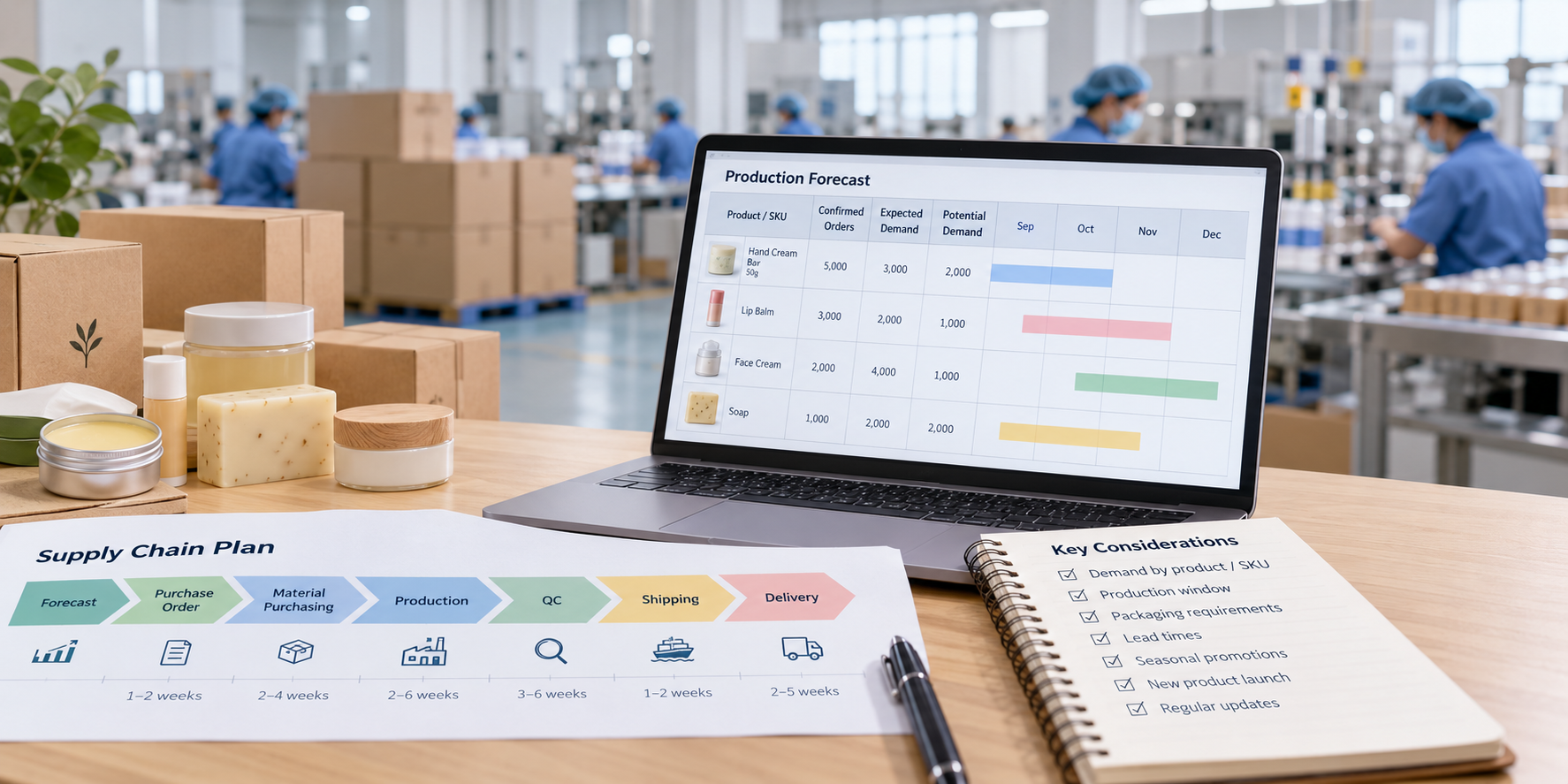
Work backwards from your required completion date and identify when each component must be ordered, produced and delivered.
Build in contingency time for delays, especially for custom packaging, tooling and components that require approval before mass production.
The goal is to have all essential components available when they are needed, not simply to have each supplier finish on time.
3. Keep Specifications and Versions Consistent
When several components are involved, small inconsistencies can create significant problems.
A revised product dimension may affect the packaging design. A new label may need to be applied to every unit. An updated instruction leaflet may need to replace an older version before assembly begins.
Use clear product codes, approved artwork and version numbers. Share updates with every relevant supplier and confirm that obsolete files are no longer being used.
Written confirmation is particularly important when a change affects multiple parts of the same product.
4. Plan Assembly and Quality Control Together
Decide early where the components will be assembled and who will be responsible for checking the finished product.
If assembly takes place in China, consider whether components from different suppliers need to be delivered to one location first. Allow time for incoming checks, assembly, final inspection and packing.
Quality control should cover both individual components and the completed product. A box may meet its own specifications, for example, but still be unsuitable if the finished product does not fit inside it properly.
Where appropriate, use an approved sample or assembly checklist to make expectations clear.
5. Maintain One Clear Production Plan
Managing multiple suppliers through separate email conversations can make it difficult to see the overall picture.
Maintain a central tracker showing component status, expected arrival dates, outstanding approvals and potential delays. Review it regularly with the relevant suppliers or production partners.
If one component is delayed, assess the impact on the entire order immediately. This gives you more time to adjust the schedule, arrange alternatives or communicate revised delivery expectations.
Better Coordination Means Fewer Surprises
Multi-component manufacturing is not just about sourcing the right parts. It is about making sure those parts work together within one coordinated production process.
For growing brands, a clear component list, realistic lead times, consistent specifications and a shared production plan can reduce avoidable delays, rework and unnecessary stockholding.
The earlier you coordinate the whole product, the easier it becomes to manage the details that determine whether production runs smoothly.