Why Many China Sourcing Projects Fail Before They Begin
Sourcing from China has become an essential strategy for many UK businesses looking to improve margins, access manufacturing expertise, and scale their product ranges.
However, successful sourcing is not simply about finding the cheapest supplier. Many UK importers face unexpected challenges because of poor planning, communication gaps, or a lack of understanding of the China manufacturing process.
From selecting unreliable suppliers to overlooking quality control, small mistakes can quickly turn into expensive problems.
Here are seven common mistakes UK businesses make when sourcing from China — and how to avoid them.
Choosing Suppliers Based Only on Price
One of the biggest mistakes importers make is focusing too heavily on the lowest quotation.
While reducing costs is important, the cheapest supplier is not always the most cost-effective option. Extremely low prices can sometimes indicate compromises in materials, production standards, quality control, or communication.
A supplier that cannot maintain consistent quality may create additional costs through product returns, delays, customer complaints, or re-production.
Better approach: Evaluate suppliers based on a combination of factors:
-
Manufacturing experience
-
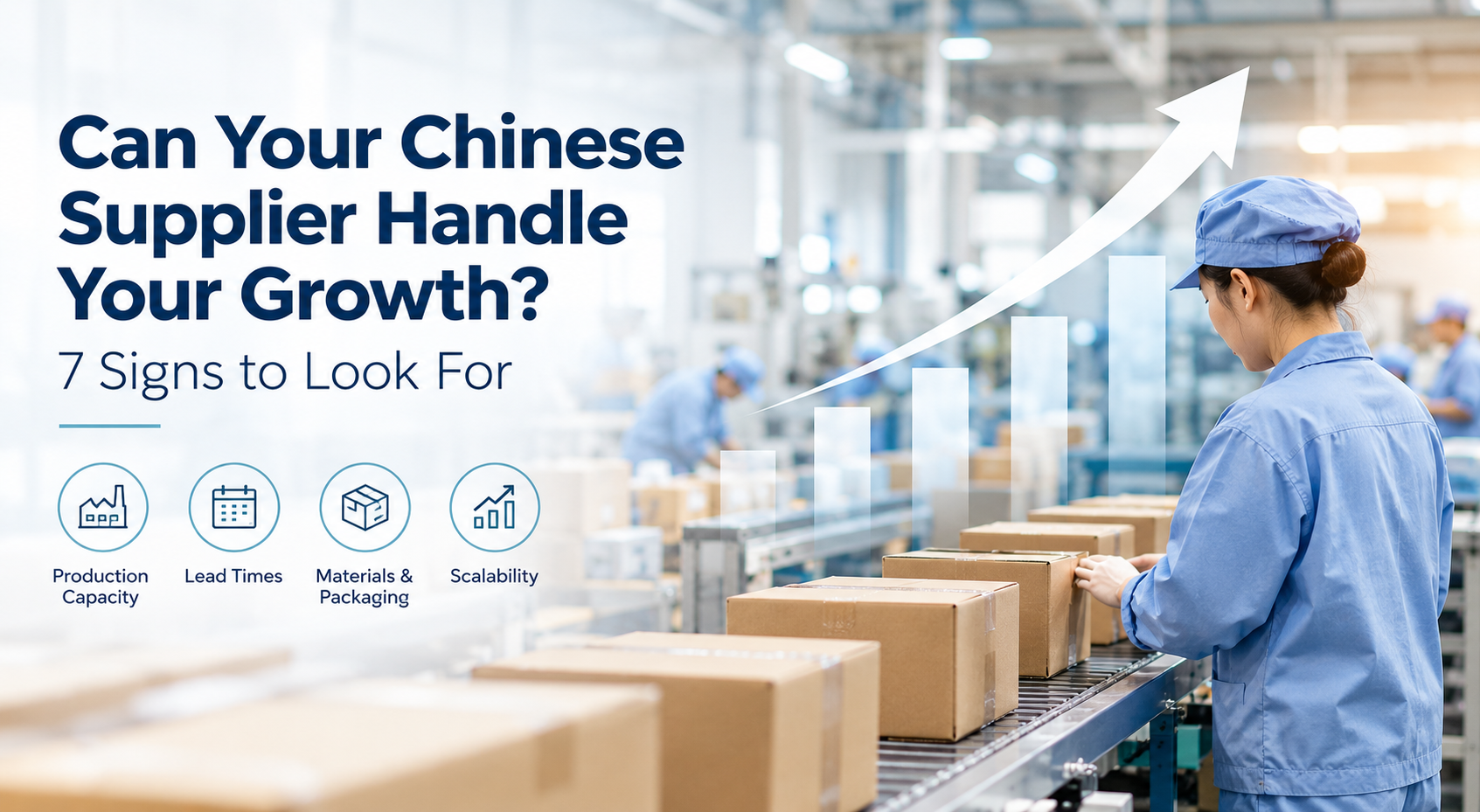
Production capacity
-
Quality management processes
-
Communication efficiency
-
Previous export experience
-
Customer references
A reliable supplier relationship often creates more long-term value than a lower initial price.
Not Clearly Defining Product Requirements
Many sourcing problems start with unclear product specifications.
A simple product description may mean different things to different suppliers. Details such as materials, dimensions, packaging requirements, colour standards, labelling, and testing requirements should be clearly documented before production begins.
For example, “premium packaging” could mean different things depending on the supplier’s interpretation.
Better approach: Prepare a detailed product specification sheet including:
-
Product drawings or images
-
Material requirements
-
Size and measurements
-
Packaging instructions
-
Quality standards
-
Inspection criteria
The more details provided upfront, the lower the risk of misunderstandings later.
Skipping Supplier Verification
Finding a supplier online is easy. Finding the right supplier requires deeper research.
Many businesses rely only on online marketplaces or supplier profiles without verifying whether the company is a genuine manufacturer, trading company, or suitable production partner.
This can lead to problems such as:
-
Inconsistent product quality
-
Production delays
-
Communication difficulties
-
Lack of accountability
Better approach: Before placing an order, consider checking:
-
Company background
-
Factory capabilities
-
Production facilities
-
Certifications
-
Previous export experience
Building confidence before production starts can prevent costly issues later.
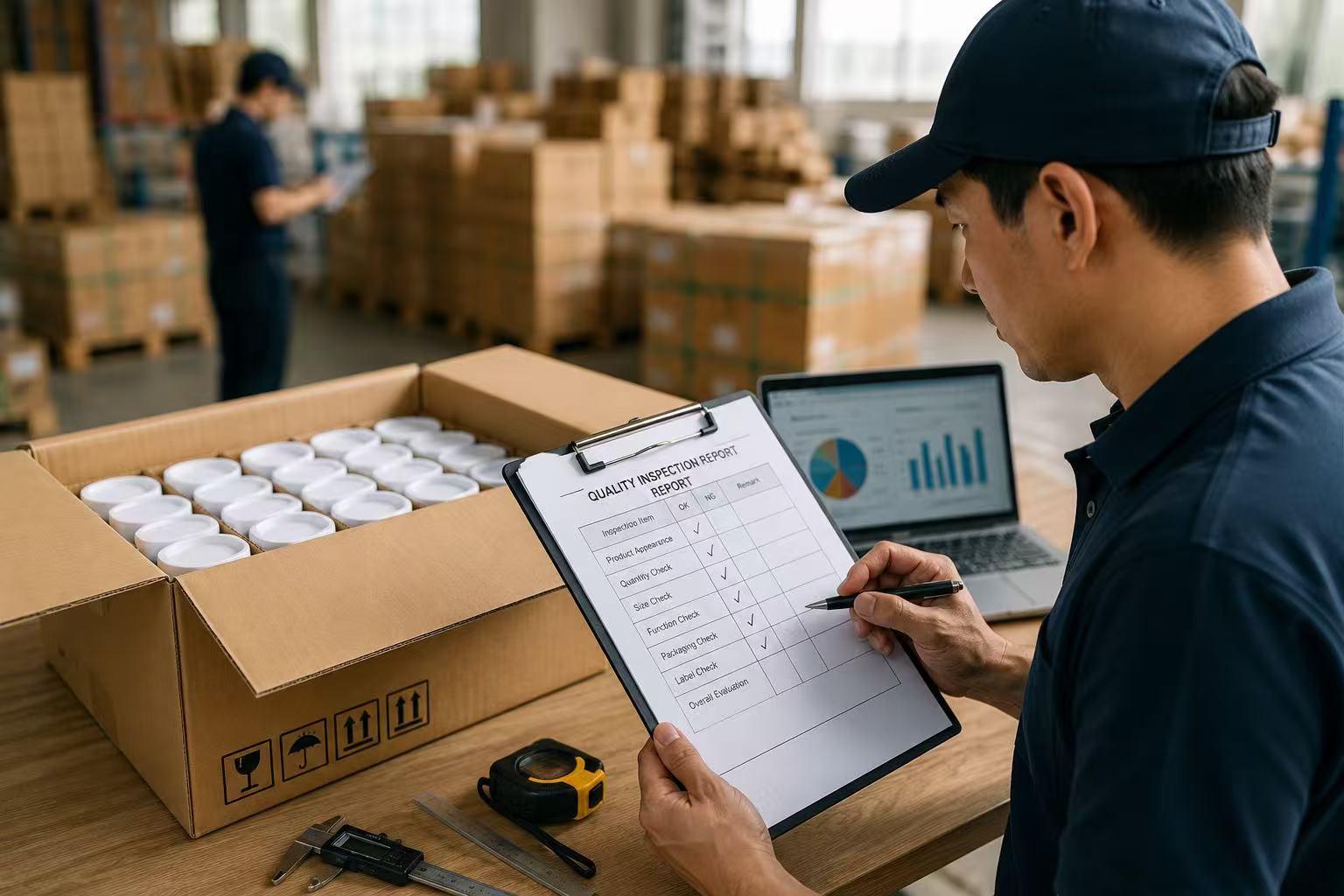
Ignoring Quality Control During Production
A common misconception is that quality inspection is only necessary after production is complete.
However, discovering problems after thousands of units have been manufactured can be too late.
Quality control should be considered throughout the production process, not just at the final stage.
Better approach: Implement quality checks at key stages:
-
Pre-production sample approval
-
Production monitoring
-
Mid-production inspection
-
Final inspection before shipment
Early detection of problems is usually much cheaper than fixing them after delivery.
Underestimating Communication Challenges
Working with suppliers in another country requires effective communication.
Language differences, time zones, and different expectations around quality standards can create misunderstandings.
A supplier may believe they have delivered exactly what was requested, while the buyer receives something completely different from their expectations.
Better approach: Successful importers usually:
-
Communicate requirements clearly in writing
-
Confirm important details before production
-
Use visual references whenever possible
-
Maintain regular updates throughout the process
Good communication is one of the strongest foundations for successful China sourcing.
Failing to Plan Logistics and Import Requirements Early
Some businesses focus heavily on manufacturing but overlook the challenges after production is complete.
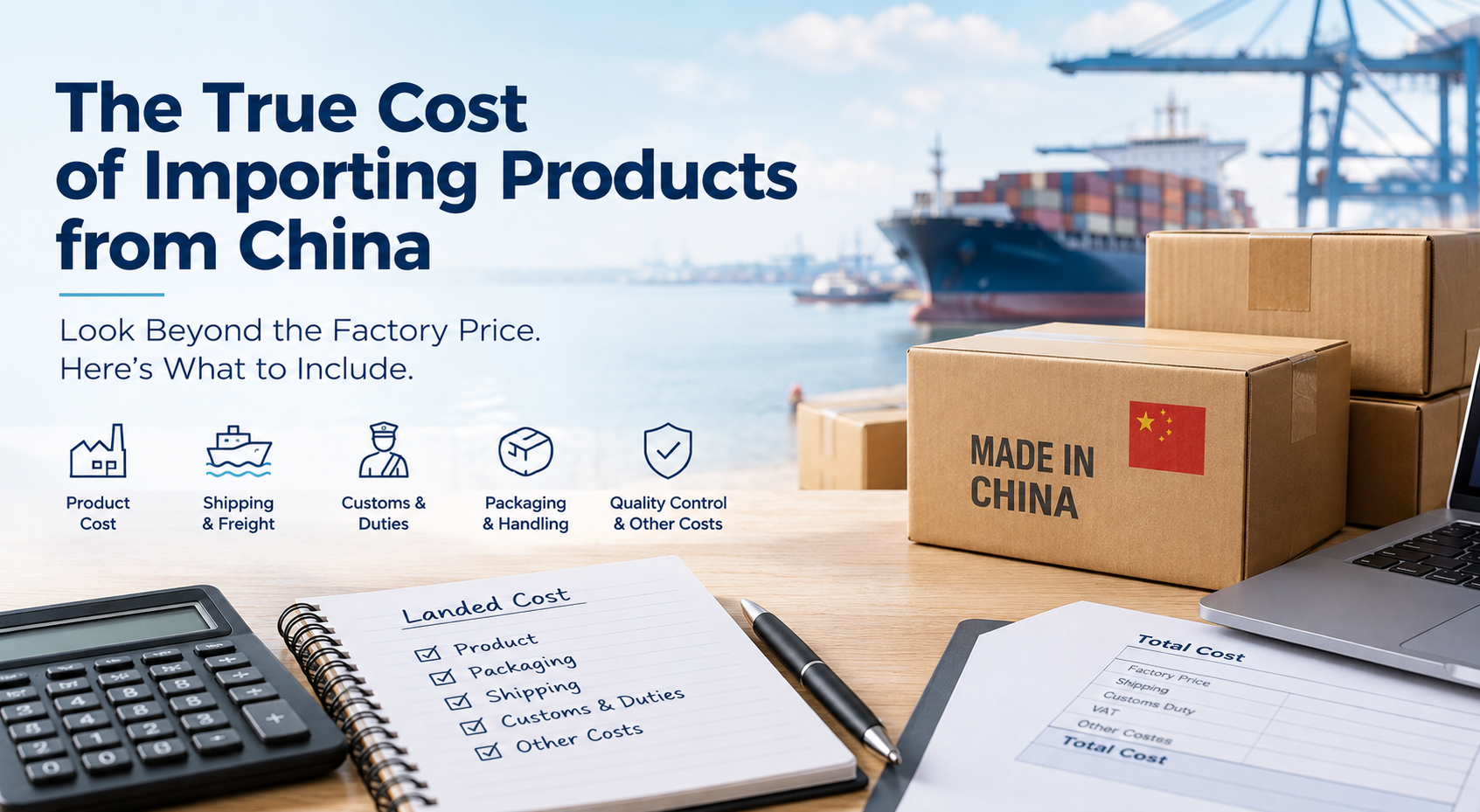
Shipping methods, customs requirements, import documentation, duties, and compliance requirements can significantly affect the final cost and delivery timeline.
Unexpected logistics issues can delay product launches and increase expenses.
Better approach: Consider logistics planning at the beginning of the sourcing process:
-
Choose the right shipping method
-
Understand customs requirements
-
Confirm product compliance
-
Calculate the full landed cost
The real cost of importing is not just the factory price — it includes everything until the product reaches your customer.
Treating China Sourcing as a One-Time Transaction
Many businesses approach sourcing as simply finding a supplier, placing an order, and waiting for delivery.
However, successful sourcing is usually built on long-term partnerships.
Reliable suppliers become more valuable over time because they understand your products, quality expectations, and business goals.
Better approach: Invest time in building supplier relationships through:
-
Regular communication
-
Clear feedback
-
Continuous improvement
-
Long-term cooperation
A strong sourcing partner can become an important part of your business growth strategy.
Final Thoughts: Successful China Sourcing Requires More Than Finding a Supplier
China offers huge opportunities for UK businesses, but successful importing requires careful planning, supplier management, and quality control.
The biggest sourcing mistakes are rarely caused by manufacturing itself — they usually happen because businesses underestimate the complexity of managing suppliers, production, and logistics overseas.
By preparing detailed requirements, verifying suppliers, controlling quality, and planning ahead, UK importers can significantly reduce risks and build a more reliable sourcing process.
Whether you are launching a new product or expanding an existing range, a structured approach to sourcing from China can help turn manufacturing opportunities into long-term business success.