Introduction: Choosing the Right Shipping Method Matters
After finding the right supplier and completing production, one important decision remains: how should your products be shipped?
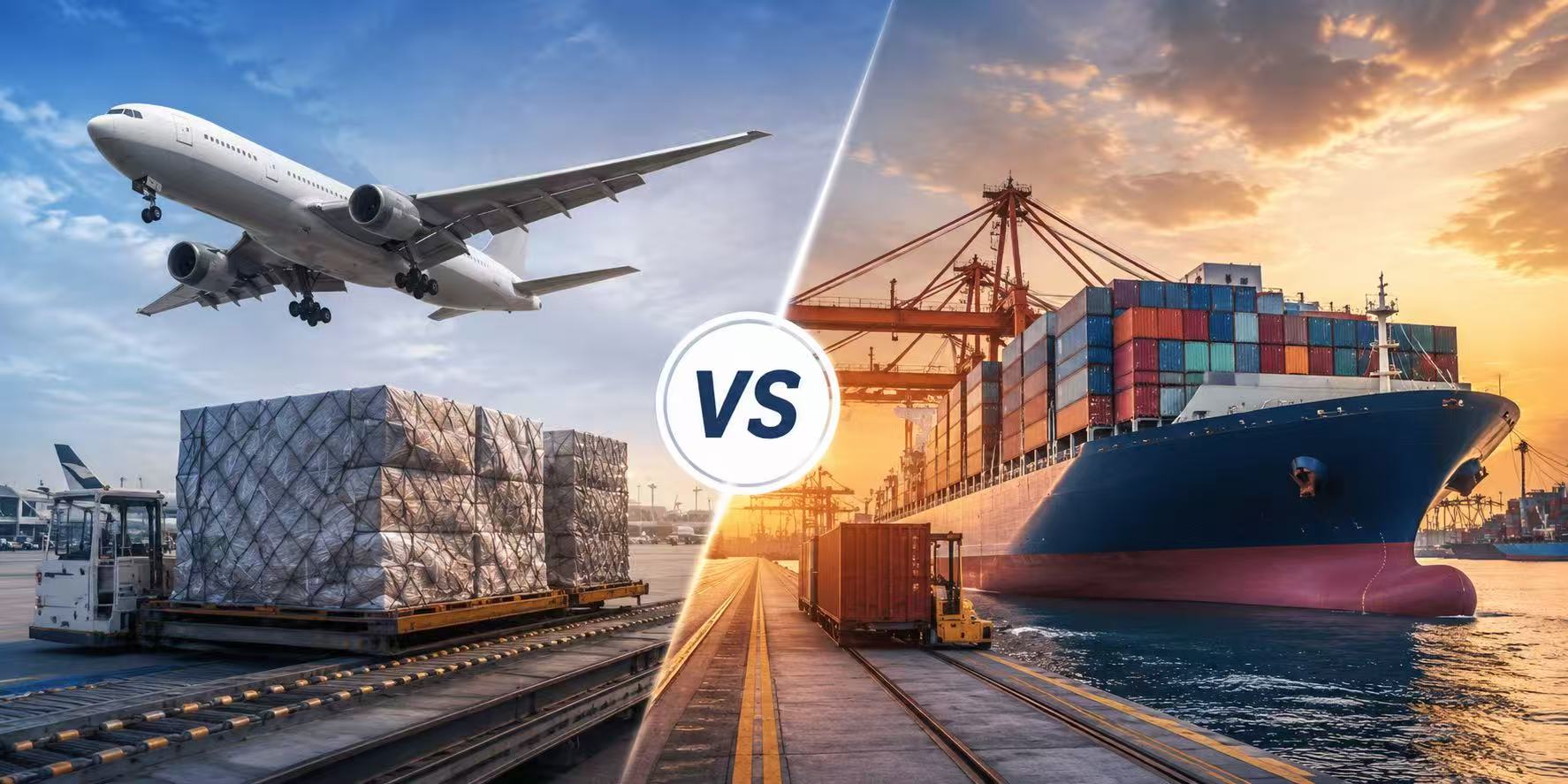
For UK businesses importing from China, the two most common options are air freight and sea freight. Each offers distinct advantages, and the right choice depends on your priorities—whether that’s speed, cost, shipment size, or inventory planning.
Understanding the strengths and limitations of each shipping method can help reduce costs, avoid delays, and keep your supply chain running smoothly.
Air Freight: Fast and Flexible
Air freight is the preferred option when speed is critical. Goods can often arrive within 7-14 days, making it ideal for urgent shipments or products with high value.
Advantages
- Fast delivery times
- Lower inventory holding costs
- Ideal for urgent replenishment
- Reduced risk of long transit delays
Considerations
- Higher transportation costs
- Limited capacity for large or heavy cargo
- Additional restrictions on certain products
Best suited for:
- Product launches
- Sample shipments
- Low-volume, high-value products
- Emergency stock replenishment
Sea Freight: Cost-Effective for Larger Orders
Sea freight remains the most economical option for transporting larger volumes of goods.
Although transit times are typically 25–60 days depending on the route and customs clearance, the cost per unit is significantly lower than air freight.
Advantages
- Lower shipping cost per unit
- Suitable for bulk orders
- Better for oversized or heavy products
- More environmentally efficient per kilogram transported
Considerations
- Longer lead times
- Greater need for inventory planning
- Potential delays due to port congestion or seasonal demand
Best suited for:
- Regular inventory replenishment
- Large production orders
- Products with predictable demand
Air Freight vs Sea Freight: A Quick Comparison
| Factor | Air Freight | Sea Freight |
|---|---|---|
| Transit Time | 7–14 days | 25–60 days |
| Shipping Cost | Higher | Lower |
| Shipment Size | Small to medium | Medium to large |
| Best For | Urgent deliveries | Bulk shipments |
| Inventory Planning | More flexible | Requires earlier planning |
| Environmental Impact | Higher emissions | Lower emissions per unit |
What Should UK Importers Consider?
The best shipping method depends on your business priorities rather than a single factor such as price.
Before deciding, ask yourself:
- How quickly do you need the products?
- Is shipping cost more important than delivery speed?
- What is the value of the goods?
- How large is the shipment?
- Can your inventory support longer lead times?
For example, a business launching a new product may choose air freight to meet a tight deadline, while future replenishment orders could move by sea to reduce overall logistics costs.
Can You Combine Both Shipping Methods?
Many experienced importers use a combination of air and sea freight.
A common strategy is to send a small quantity by air so products arrive quickly for launch or initial sales, while the remainder travels by sea to reduce shipping costs.
This approach can help businesses:
- Reduce stock shortages
- Improve cash flow
- Balance speed and cost
- Create a more resilient supply chain
For companies importing regularly, combining both methods often provides greater flexibility than relying on just one.
Final Thoughts
There is no universal answer to the air freight versus sea freight question.
If speed is your priority and shipment volumes are relatively small, air freight may be the better choice. If controlling logistics costs is more important and you can plan ahead, sea freight is usually the most economical solution.
The most successful UK importers evaluate each shipment individually, considering product value, order size, delivery deadlines, and inventory requirements before selecting the most suitable shipping method.
Making informed logistics decisions not only reduces transportation costs but also helps build a more efficient and reliable supply chain.