When sourcing products from China, requesting a quotation may seem straightforward: send your requirements, ask for a price, and compare the responses.
In practice, it is rarely that simple.
Different manufacturers may quote different specifications, materials, packaging options, MOQs and delivery terms. A lower price does not necessarily mean a better deal — and an incomplete request can result in an inaccurate quotation.
For UK businesses sourcing from China, a well-prepared Request for Quotation (RFQ) can make the entire sourcing process faster, clearer and more reliable.
What Is a Request for Quotation?
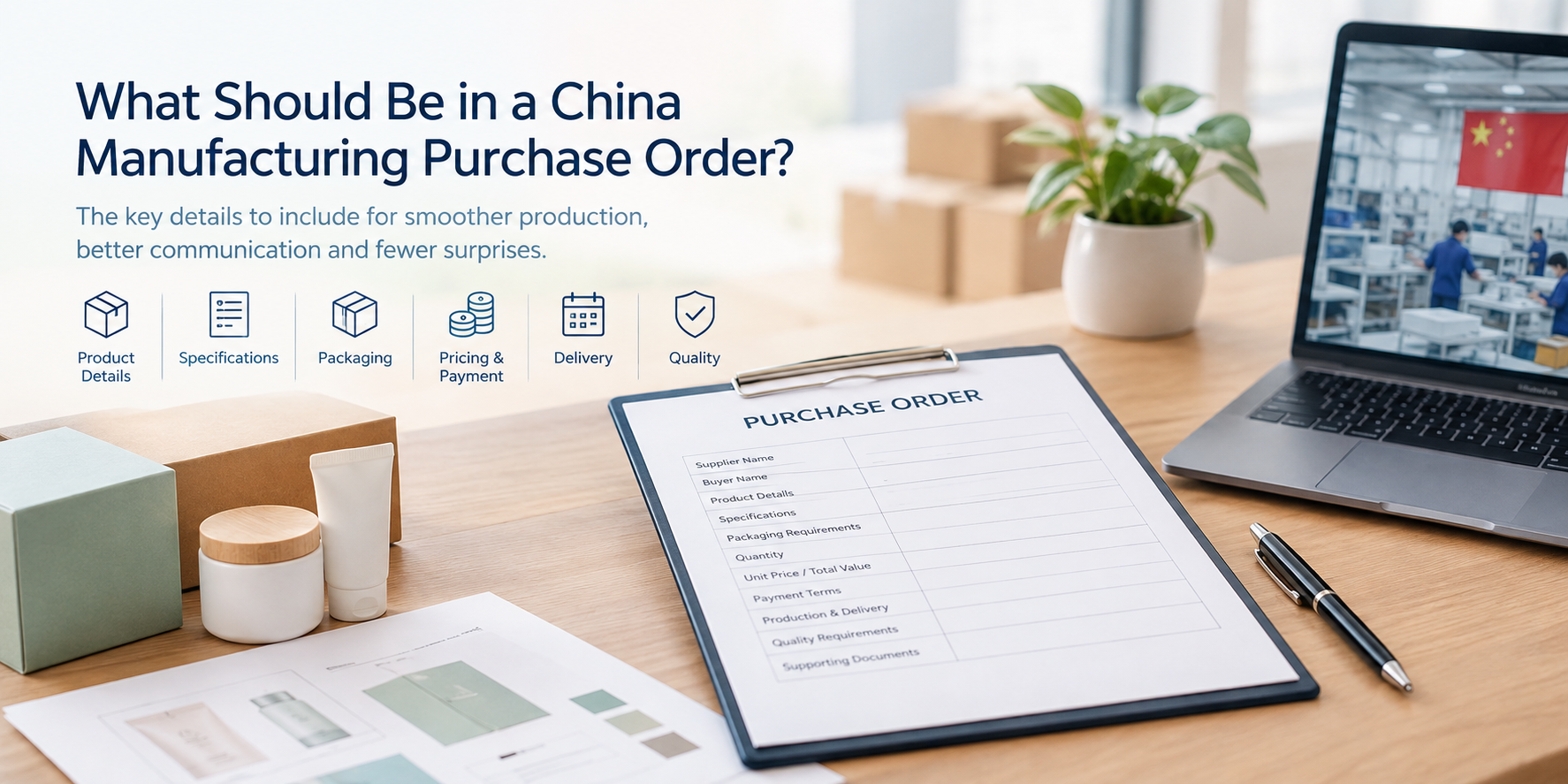
A Request for Quotation (RFQ) is a document or enquiry sent to potential suppliers asking them to provide pricing based on specific product requirements.
A good RFQ should give the manufacturer enough information to calculate the cost accurately, while making it easy for you to compare different suppliers on a like-for-like basis.
The more clearly you define the requirements, the less room there is for assumptions.
What Should You Include in a Quotation Request?
-
Product Specifications
Start with the basics.
Include information such as:
-
Product name and intended use
-
Dimensions and weight
-
Materials
-
Colour and finish
-
Technical specifications
-
Required certifications or compliance standards
-
Product drawings or reference images, where applicable
If the product is still being developed, clearly identify which specifications are fixed and which are open to discussion.
-
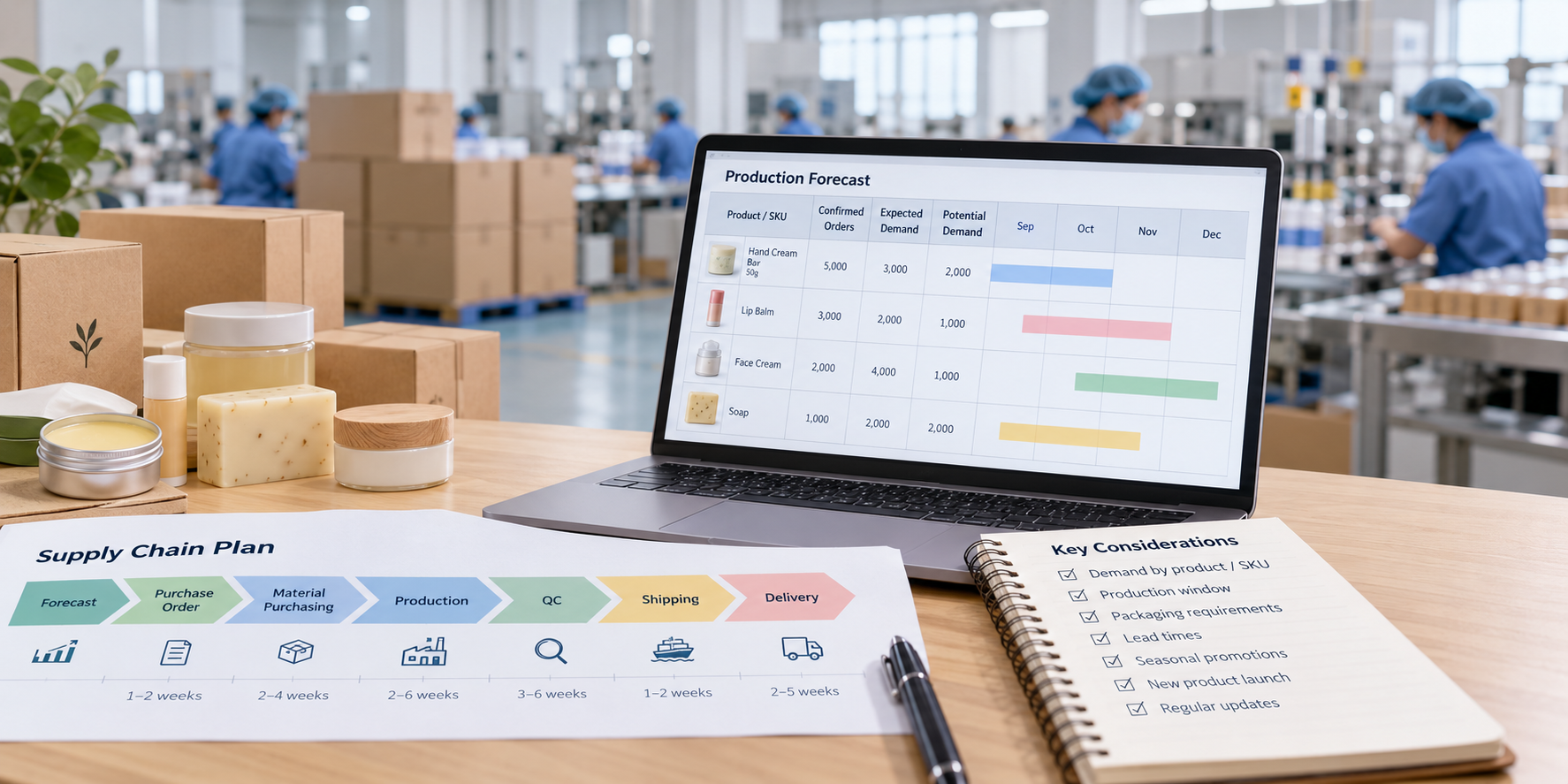
Quantity and MOQ
Quantity has a major impact on manufacturing costs.
Instead of simply asking for “your best price”, provide your expected order quantity. If you are unsure about your initial volume, consider requesting several price breaks, for example:
500 / 1,000 / 5,000 / 10,000 units
This can help you understand how pricing changes with production volume and whether increasing the order quantity creates meaningful savings.
It is also important to ask about the supplier’s MOQ (Minimum Order Quantity). A quotation may look attractive until you discover that the minimum order is significantly higher than your planned purchase.
-
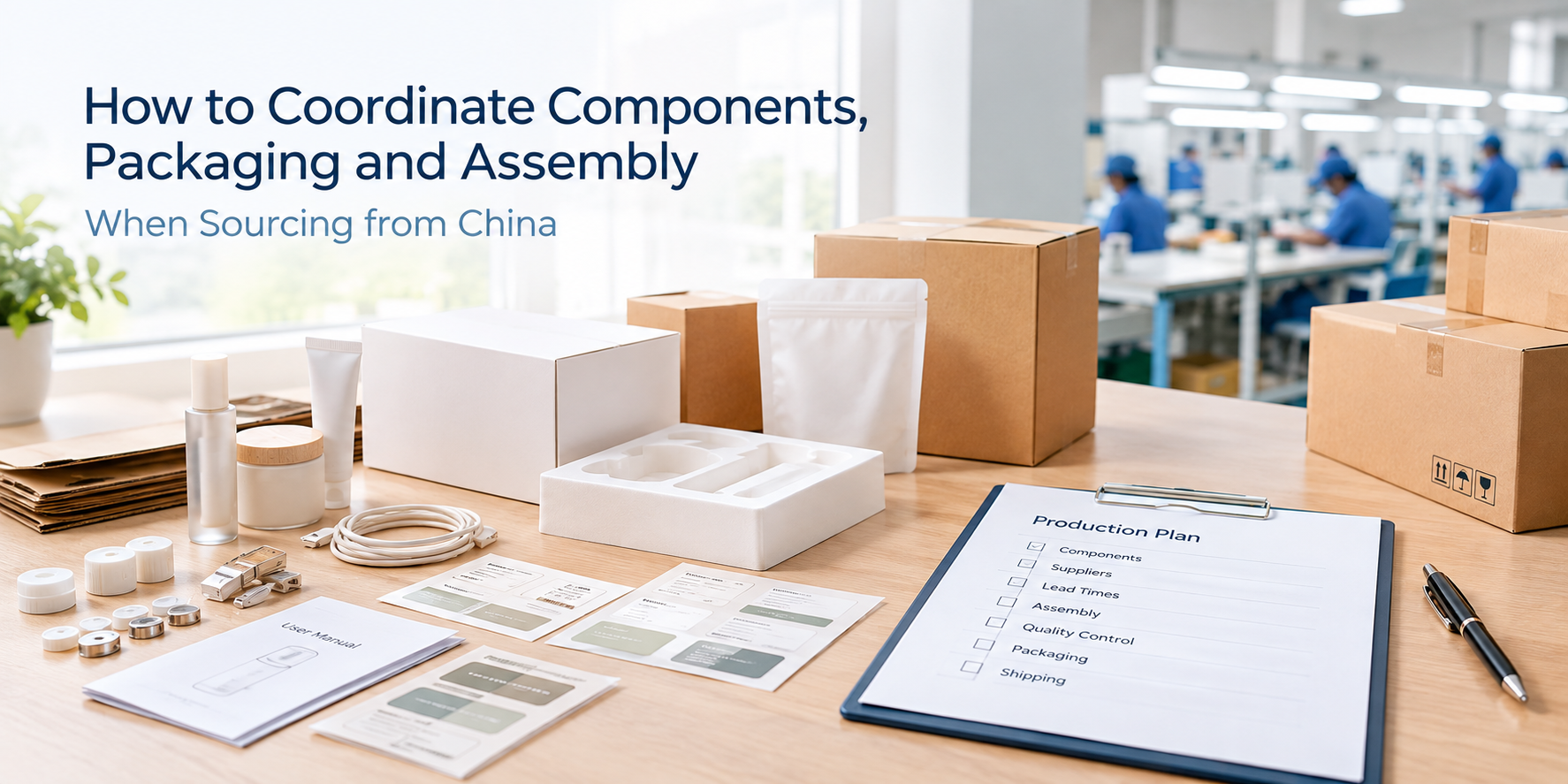
Packaging Requirements
Packaging is often overlooked during the initial quotation stage.
If your product requires custom packaging, specify whether you need:
-
Printed boxes
-
Pouches or bags
-
Labels
-
Inserts or instructions
-
Custom moulded packaging
-
Individual product packaging
-
Outer cartons
Packaging can represent a significant part of the total landed cost, particularly for products with multiple components.
-
Branding and Customisation
If you need private labelling or customisation, explain exactly what is required.
For example, ask whether the quotation includes:
-
Logo printing
-
Custom colours
-
Custom moulds or tooling
-
Printing plates
-
Artwork setup
-
Custom packaging
-
Product modifications
Some suppliers may include certain setup costs in their quotation, while others charge them separately.
This is one reason why simply comparing the final unit price can be misleading.
Don’t Compare Unit Prices Alone
One of the biggest mistakes buyers make is choosing the supplier with the lowest quoted unit price.
Instead, look at the total cost.
A more useful comparison may include:
Product + Packaging + Tooling + Inspection + Freight + Duties/Taxes + Other Fees
For example, Supplier A may offer a product at £2.00 per unit, while Supplier B quotes £2.20. However, Supplier B might include better packaging, lower MOQ and more favourable shipping terms.
The “cheaper” quotation may therefore be more expensive overall.
Ask Suppliers to Quote on the Same Basis
To compare quotations effectively, try to give every supplier exactly the same requirements.
Ask them to clearly state:
-
Unit price
-
MOQ
-
Production lead time
-
Sample cost
-
Tooling/setup costs
-
Packaging cost
-
Payment terms
-
Incoterms
-
Quotation validity
-
Shipping options, if required
This creates a much more reliable basis for comparison.
It also makes unusual differences easier to identify.
What If the Quotations Are Very Different?
Large price differences should not automatically be treated as a problem.
They may indicate differences in:
-
Material quality
-
Production process
-
Product specifications
-
Packaging
-
Quality control
-
Factory capabilities
-
MOQ
-
Included services
Instead of immediately choosing the lowest quotation, ask the supplier why their price differs.
Sometimes a significant price gap reveals an important difference in what is actually being offered.
A Better Approach to Requesting Quotations
A strong quotation request should answer three questions:
What exactly do I need? Define the product and specifications clearly.
How much do I need? Provide quantities and expected order volumes.
What exactly should the supplier include in the price? Clarify packaging, customisation, tooling, shipping terms and other requirements.
This reduces back-and-forth communication and gives suppliers a better opportunity to provide realistic pricing.
Final Thoughts
Requesting quotations is not simply about asking suppliers, “How much does this cost?”
It is about giving manufacturers enough information to produce an accurate quotation — and making sure every supplier is quoting against the same requirements.
For UK businesses sourcing from China, a well-structured RFQ can save time, improve price comparisons and reduce unexpected costs later in the purchasing process.
The better the question, the more useful the quotation.