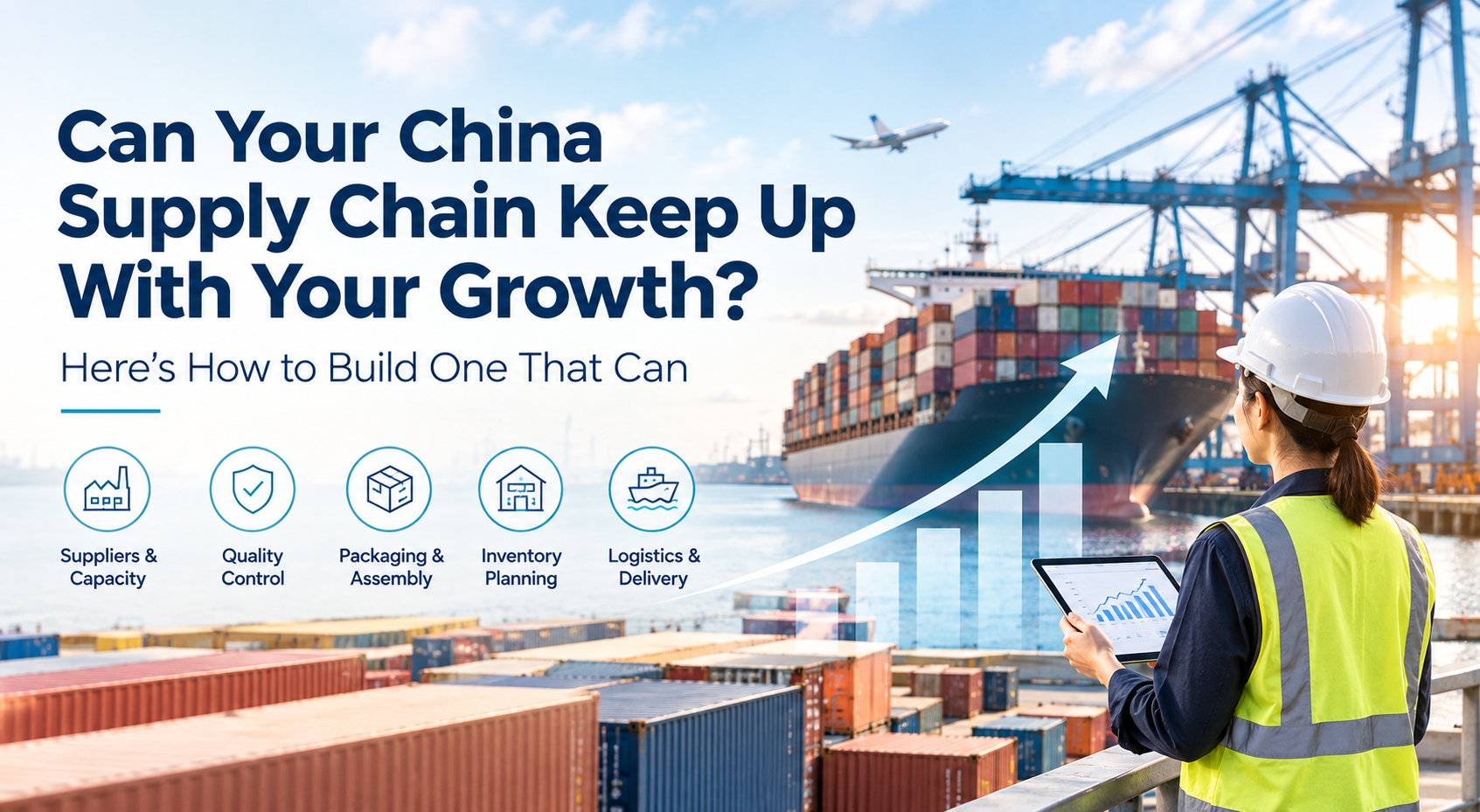
Growing sales is exciting. But for businesses sourcing from China, rapid growth can expose weaknesses in the supply chain very quickly.
A supplier that handles 1,000 units comfortably may struggle with 5,000. Packaging arrangements that work for small orders may become inefficient at scale. Lead times can increase, quality can become harder to control, and one supplier delay can suddenly affect your entire business.
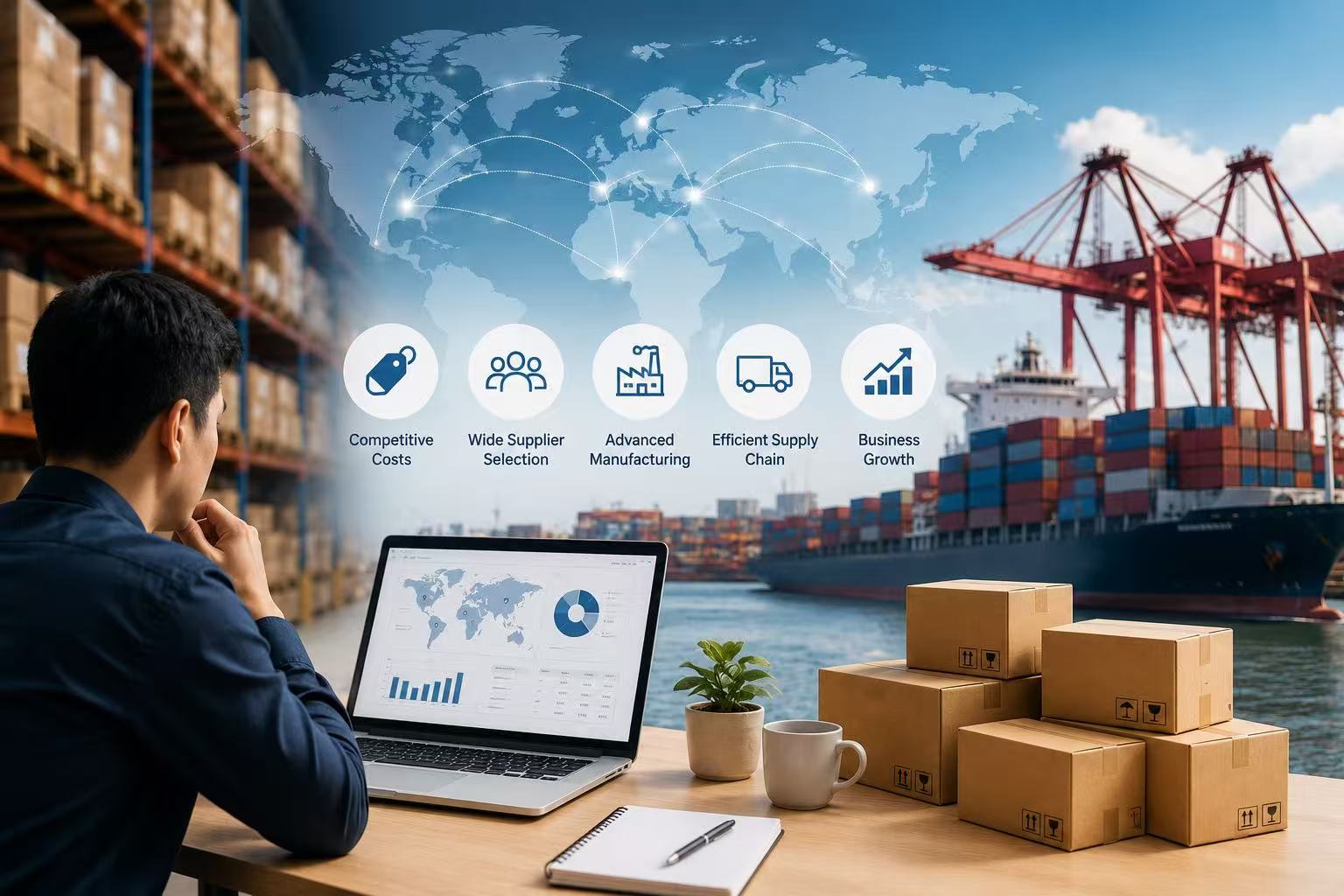
The goal is not simply to find a supplier that can produce your current order. It is to build a China supply chain that can grow with your business.
Choose Suppliers for More Than Price
A low unit price is attractive, but it should not be the only factor when selecting a supplier.
Consider:
-
Production capacity
-
Lead times
-
Quality consistency
-
Communication
-
Minimum order quantities
-
Ability to handle product changes
-
Experience with growing customers
A supplier that fits your business today may not necessarily be the right partner for your next stage of growth.
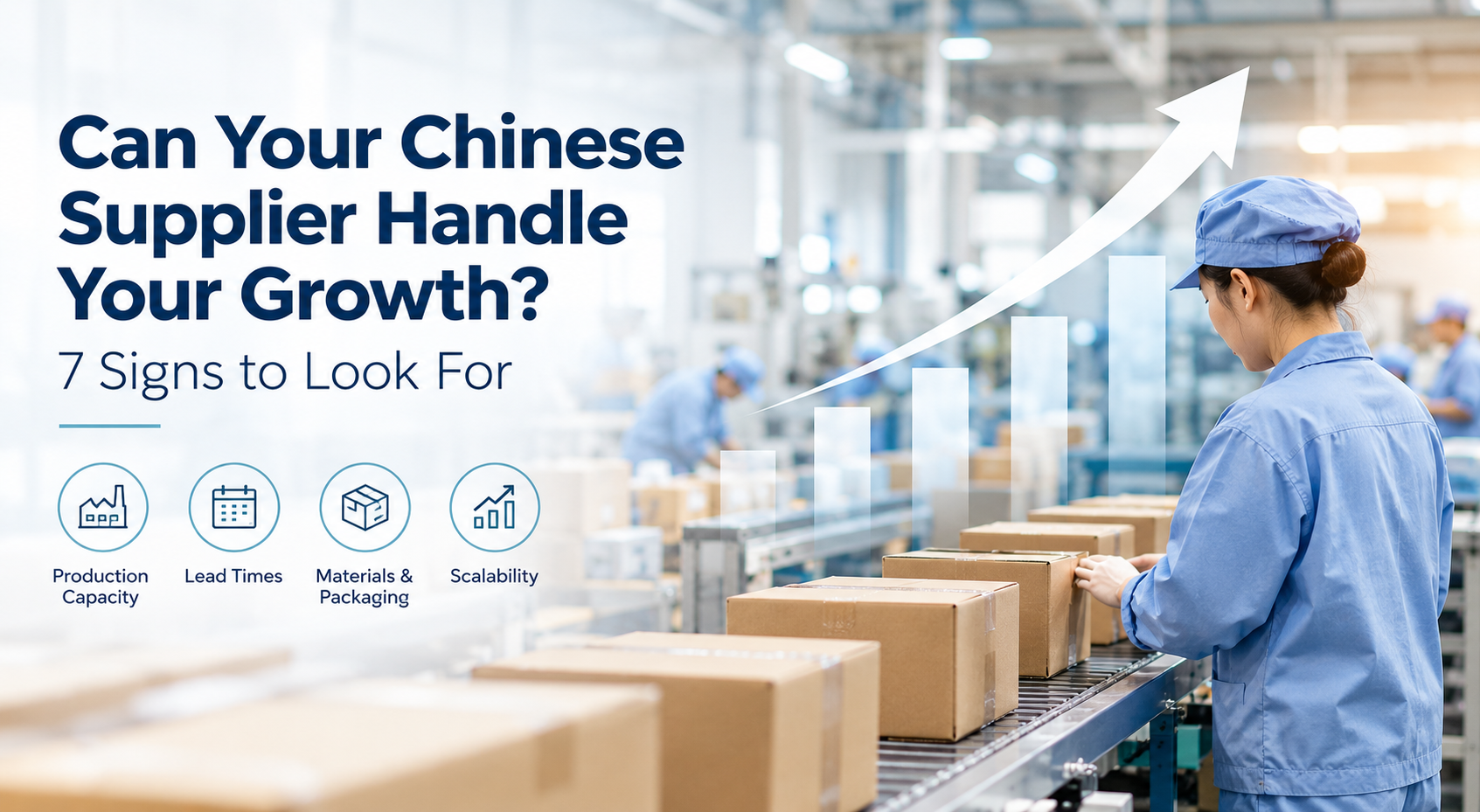
Understand Your Supplier’s Real Capacity
Before increasing order volumes, ask what happens if your demand doubles.
Can the factory increase production without significantly extending lead times? Are critical components readily available? Does the supplier rely on external manufacturers for important parts?
Capacity should be assessed across the entire production process, not just the factory floor.
Understanding potential bottlenecks early gives you more time to plan around them.
Build Quality Control Into the Process
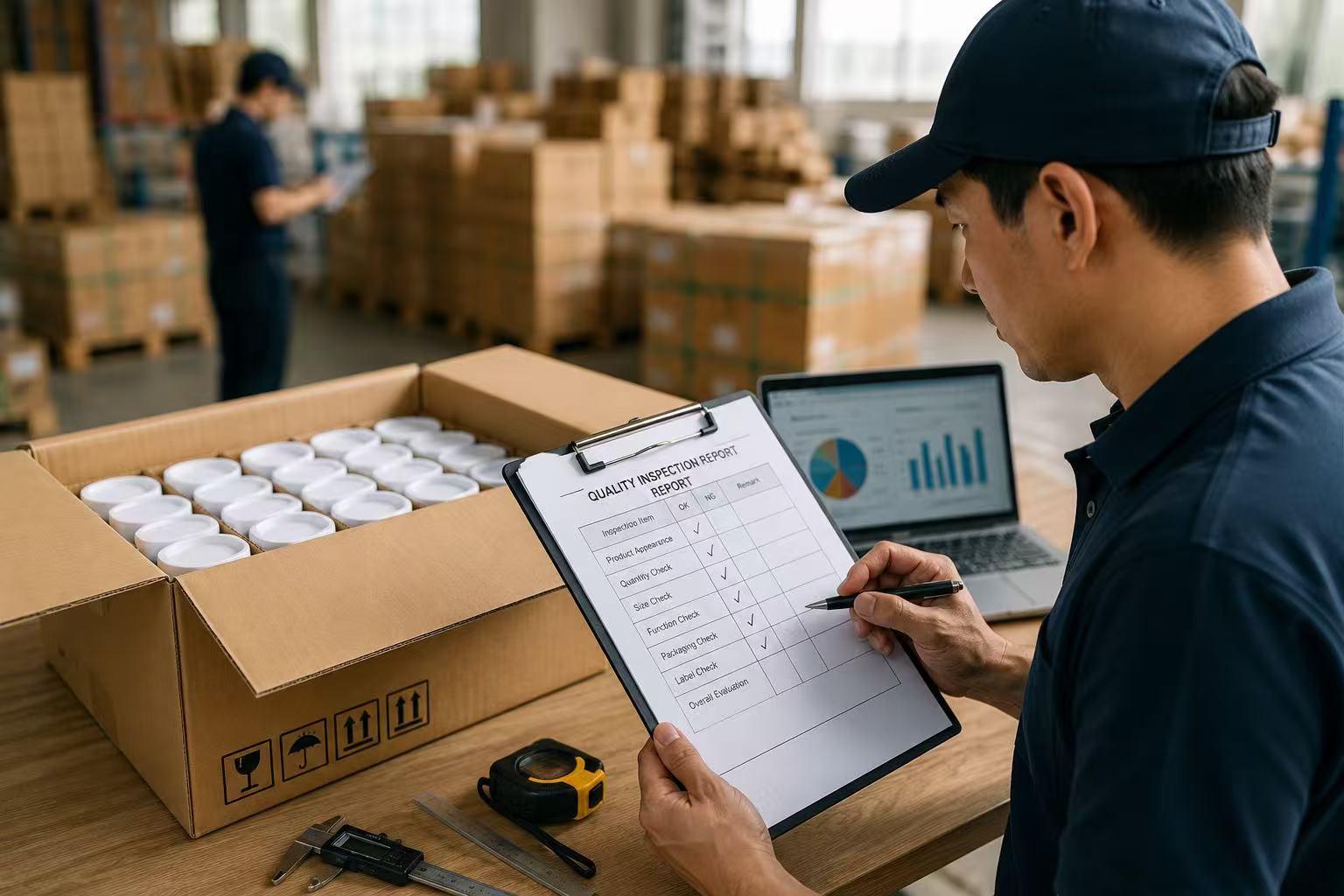
Quality control becomes even more important as production volumes increase.
A process that works well for a small batch may not be sufficient when production reaches thousands of units.
Consider where quality checks should happen:
-
During production
-
Before final packing
-
Before shipment
-
During incoming inspection in the UK
The aim is to identify problems as early as possible, before they become expensive to correct.
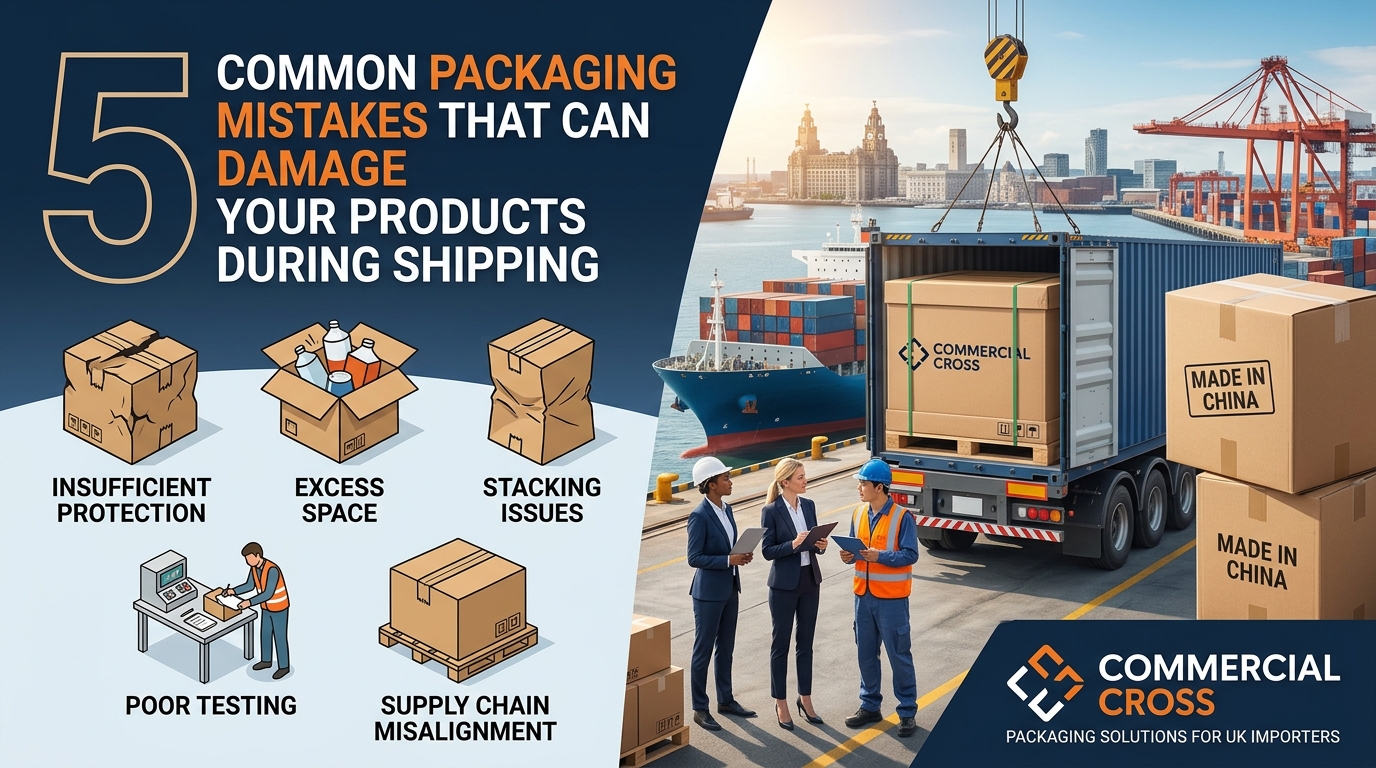
Make Packaging and Assembly Scalable
Packaging is often overlooked when businesses plan for growth.
A product may be easy to manufacture but much more difficult to assemble, label or pack at higher volumes.
Think about whether your packaging:
-
Can be produced in sufficient quantities
-
Has reliable material supply
-
Is easy to assemble efficiently
-
Can accommodate future product changes
-
Is suitable for storage and transportation
Good packaging planning can prevent production from being delayed by something as simple as missing boxes, labels or inserts.
Plan Inventory Around Lead Times
As sales increase, running out of stock becomes more expensive.
Instead of ordering only when inventory is nearly depleted, consider your:
Sales forecast + production lead time + shipping time + safety stock
For example, if production takes six weeks and sea freight takes several more weeks, waiting until stock is nearly exhausted before reordering leaves very little room for unexpected delays.
A scalable supply chain needs forward planning, not just reactive purchasing.
Don’t Rely on a Single Point of Failure
Having one supplier can be efficient, but it can also create risk.
You do not necessarily need multiple suppliers for every product. However, it is worth understanding which components, materials or processes would cause serious disruption if one supplier could not deliver.
For critical products, consider maintaining alternative sources for key materials or production processes.
This gives your business more flexibility when demand changes or unexpected problems occur.
Review the Supply Chain as Your Business Changes
A supply chain should not remain unchanged while the business around it grows.
As order volumes increase, review:
-
Supplier capacity
-
Production lead times
-
Quality requirements
-
Packaging
-
Freight arrangements
-
Inventory levels
-
Backup options
-
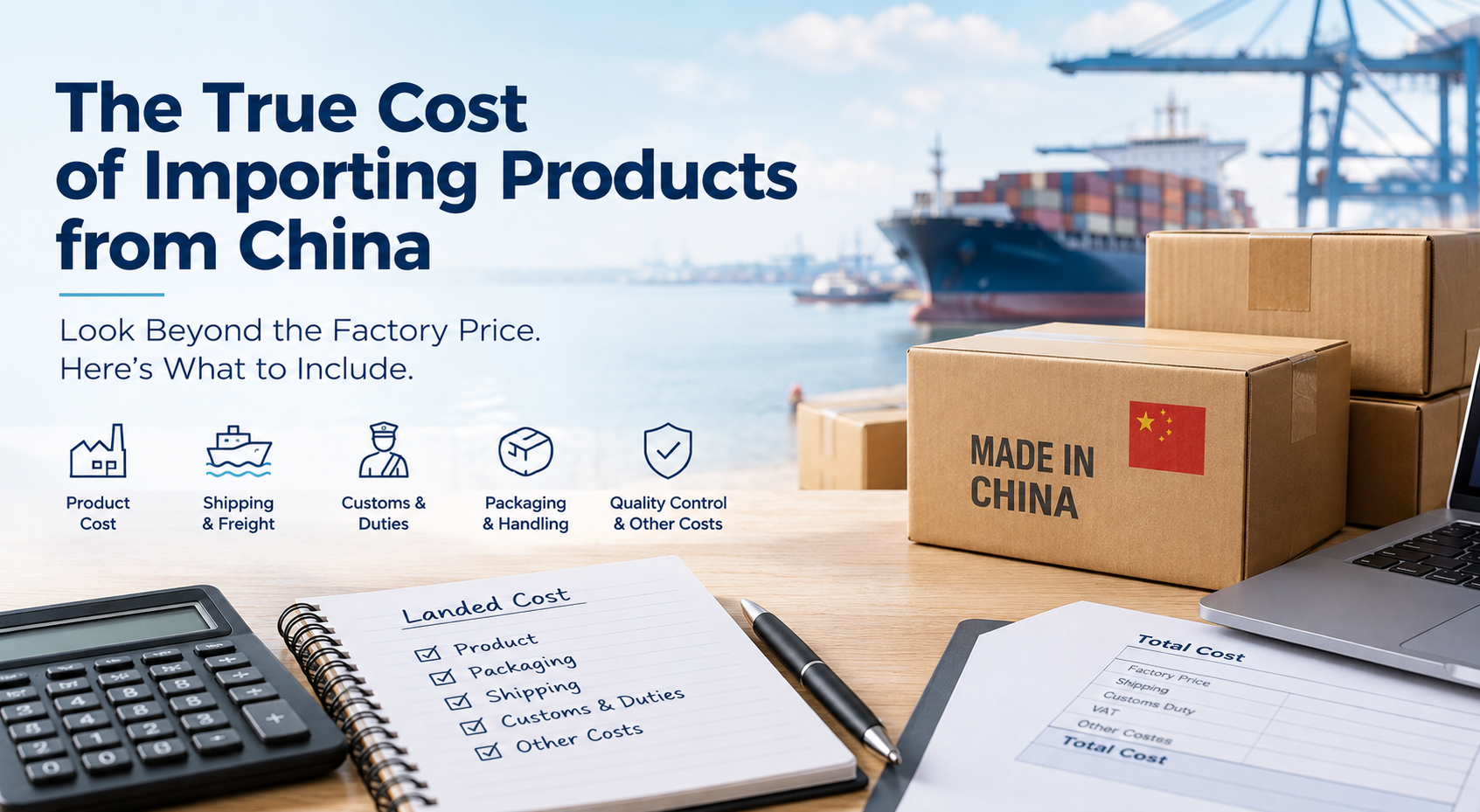
Total landed cost
What worked when you were placing your first few orders may not be the most efficient approach at a much larger scale.
Final Thoughts
Building a scalable China supply chain is not about finding the biggest factory or simply placing larger orders.
It is about creating a system where suppliers, production, quality control, packaging, inventory and logistics can work together as demand increases.
The earlier you plan for growth, the fewer supply chain problems you are likely to face when that growth arrives. Your supply chain should not become a constraint on your business. Ideally, it should be ready for the next stage before you get there.