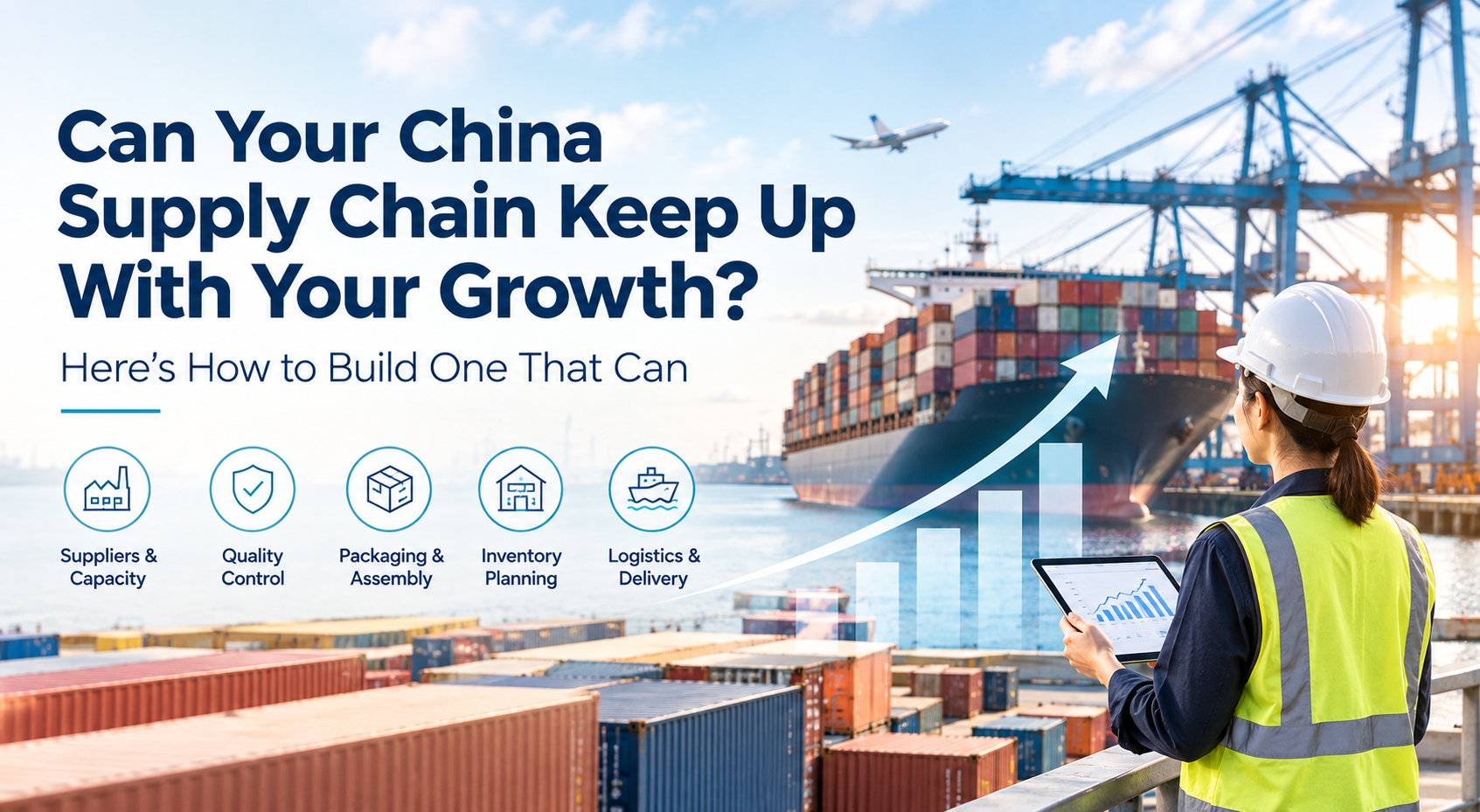
Finding a supplier that can produce your current order is one thing. Finding a supplier that can keep up when your business grows is another.For UK brands sourcing from China, production capacity can become a serious issue as sales increase. A factory that comfortably handles 1,000 units today may struggle when you suddenly need 5,000 or 10,000 units.
That is why capacity planning should happen before you need it.
Look Beyond the Factory’s Current Output
When discussing production capacity, don’t only ask, “How many units can you make?”
A better question is:
“How many units can you reliably produce for us within our required timeframe?”
A factory may have a high theoretical production capacity but limited availability because it is already serving other customers.
Ask about:
-
Current production commitments
-
Monthly production capacity
-
Available production slots
-
Typical lead times
-
Peak-season capacity
The difference between theoretical capacity and available capacity can be significant.
Understand What Happens When Your Order Doubles
Your supplier may be perfectly comfortable with your current order volume.
But what happens if your business grows by 100%?
Discuss potential growth scenarios with the factory early. For example, if you currently order 2,000 units, ask whether they could realistically produce 4,000 or 5,000 units within your required timeframe.
This conversation can reveal potential bottlenecks before they become urgent problems.
Check Where the Bottleneck Actually Is
Production capacity isn’t determined by the final assembly line alone.
A factory may have sufficient labour and machinery but still experience delays because of:
-
Limited raw material availability
-
Specific components with long lead times
-
Packaging shortages
-
Limited production equipment
-
Manual assembly processes
-
External suppliers
Understanding the entire production process is therefore important when assessing whether a supplier can scale with you.
Ask About Peak Seasons
Factories don’t operate at the same capacity throughout the year.
Peak periods can create competition for production slots, raw materials and labour. A supplier that normally delivers within four weeks may need considerably longer during busy periods.
Ask your supplier:
“When are your busiest production periods, and how should we plan our orders around them?”
Knowing this in advance can make inventory and purchasing decisions much easier.
Don’t Ignore Packaging and Assembly Capacity
For products requiring customised packaging, labelling or assembly, the factory’s product capacity may not tell the whole story.
A supplier might manufacture the product quickly but struggle to complete final assembly or packaging at the same rate.
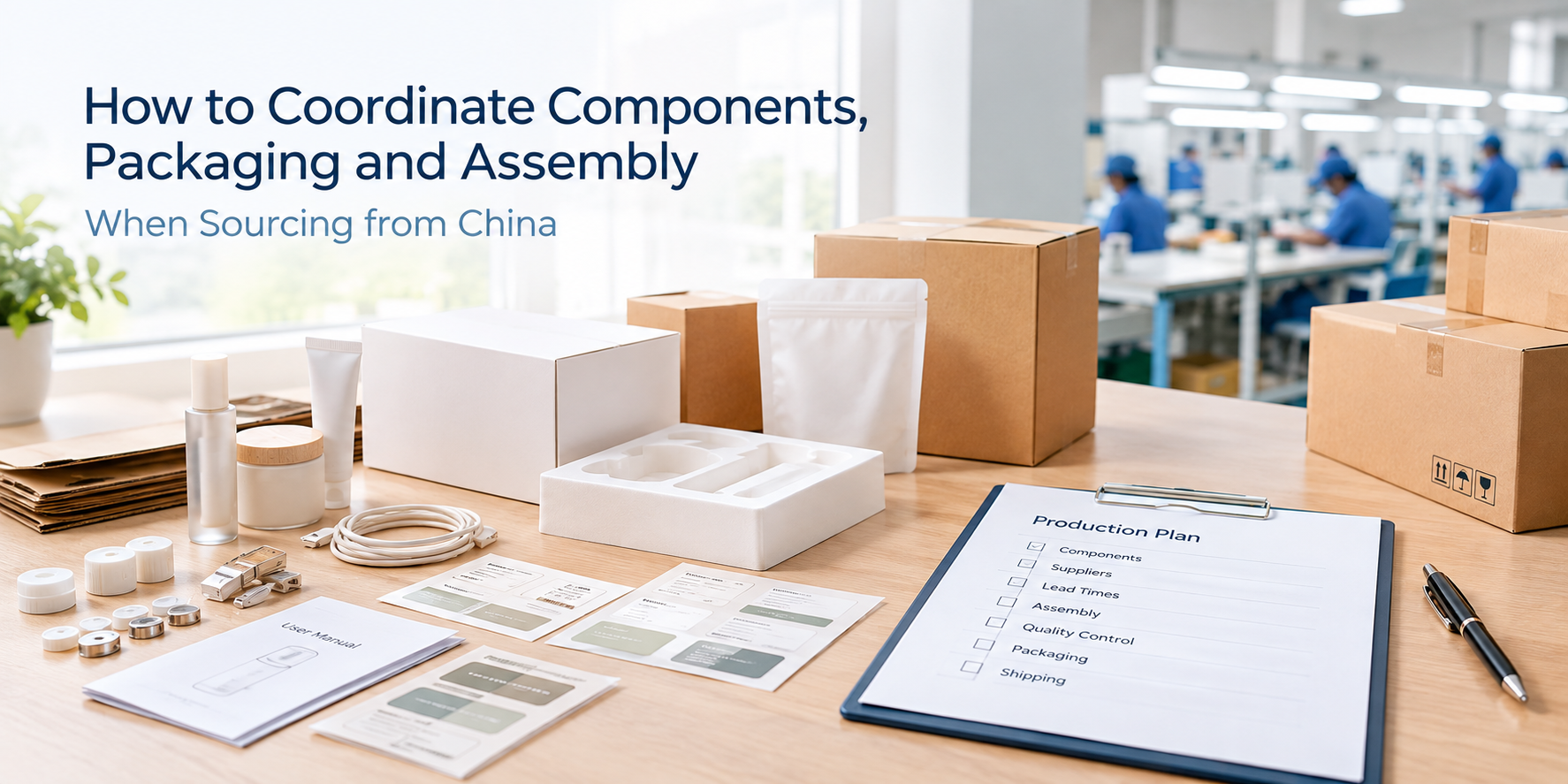
If several components need to be sourced, assembled and packed before shipment, make sure the whole process can support your expected volume.
Have a Plan for Growth
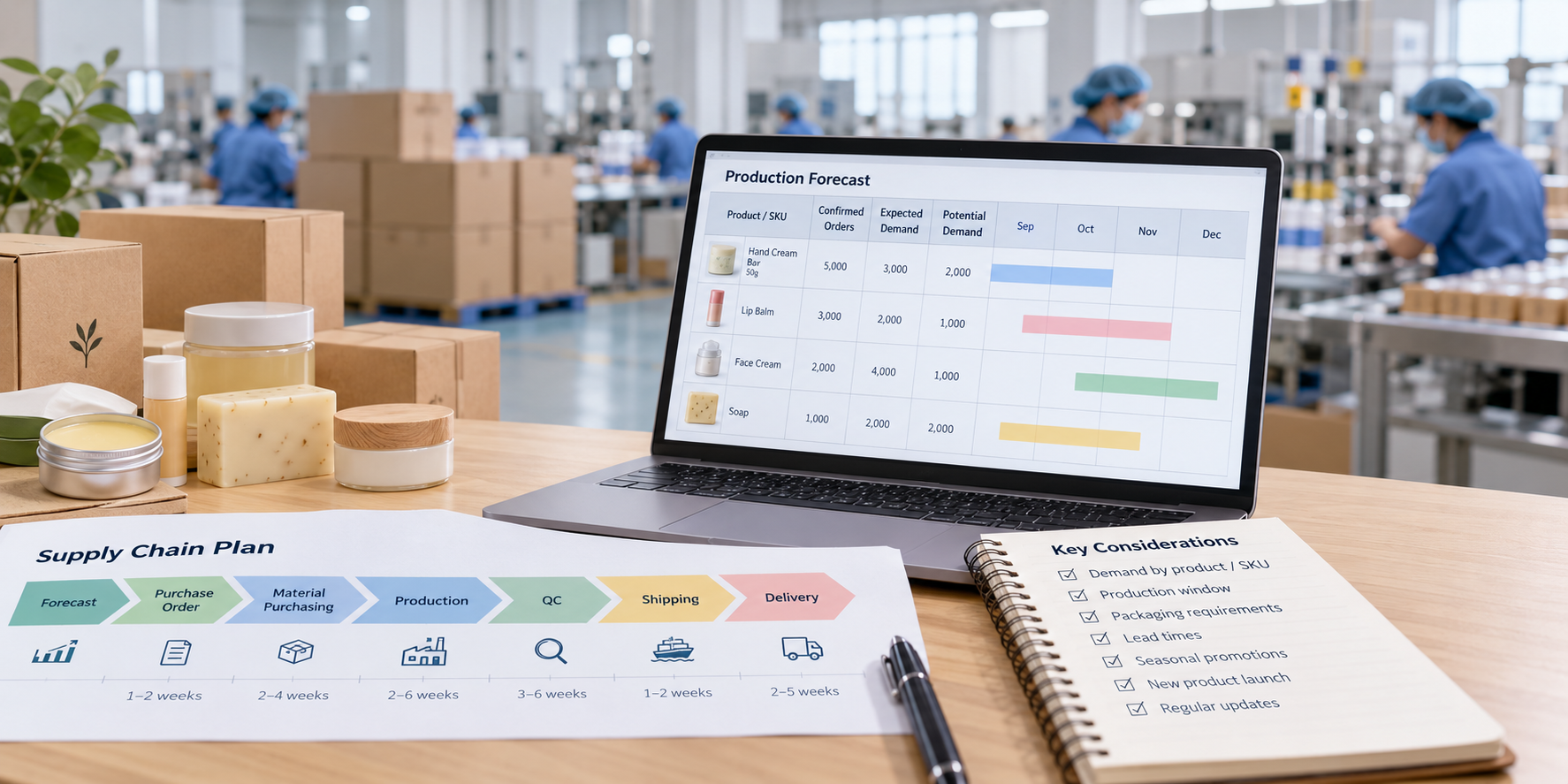
If you expect your sales to increase, share your approximate forecast with the supplier.
You don’t necessarily need to provide exact future order quantities. Even a general indication, such as expected growth from 2,000 units to 5,000 units—can help the factory plan materials, labour and production schedules.
It also allows you to identify alternative solutions early, such as additional production shifts, equipment investment or secondary suppliers.
Don’t Wait Until You’re Out of Stock
One of the biggest mistakes growing businesses make is increasing orders only after inventory is already running low.
By then, your supplier may have no available production capacity, materials may need to be reordered, and expedited shipping may become necessary.
Instead, production planning should be linked to your sales forecast, inventory levels and expected lead times.
Final Thoughts
A good supplier isn’t necessarily a factory with the largest production capacity.
What matters is whether the supplier can provide consistent quality, reliable lead times and sufficient capacity as your business grows.
Before increasing your order volumes, have a clear conversation about production capacity, peak periods, materials, packaging and future demand.
Because scaling a product successfully isn’t just about selling more.
Your supply chain needs to be ready to grow with you.